


As a supplier of HSS (High-Speed Steel) drill bits, I often encounter various questions from customers about the applications and capabilities of our products. One question that has come up recently is whether HSS drill bits can be used for drilling through cardboard tubes. In this blog post, I'll explore this topic in detail, considering the properties of HSS drill bits, the nature of cardboard tubes, and the practical implications of using these drill bits for such a task.
Understanding HSS Drill Bits
HSS drill bits are made from high-speed steel, an alloy that contains elements such as tungsten, molybdenum, chromium, and vanadium. These elements give HSS drill bits several key properties that make them suitable for a wide range of drilling applications.
Firstly, HSS drill bits have excellent heat resistance. When drilling, friction between the drill bit and the material generates heat. High-speed steel can withstand high temperatures without losing its hardness, which means the drill bit can maintain its cutting edge for longer periods, even when drilling at high speeds.
Secondly, HSS drill bits are very hard. This hardness allows them to cut through a variety of materials, including metals, wood, and plastics. The sharp cutting edges of HSS drill bits can penetrate the surface of the material and create a clean hole.
However, the hardness and heat resistance of HSS drill bits also mean that they are designed primarily for more dense and tough materials. Cardboard tubes, on the other hand, are relatively soft and porous.
The Nature of Cardboard Tubes
Cardboard tubes are typically made from layers of paperboard or corrugated cardboard. They are lightweight, inexpensive, and widely used in various industries for packaging, shipping, and as structural components in some DIY projects.
The structure of cardboard tubes is different from that of solid materials like metal or wood. Cardboard is composed of fibers that are bonded together, and it has a certain degree of flexibility and compressibility. When a drill bit penetrates a cardboard tube, the fibers may be pushed aside or compressed rather than being cleanly cut.
Using HSS Drill Bits for Drilling Cardboard Tubes
Advantages
One of the main advantages of using HSS drill bits for drilling cardboard tubes is their sharpness. The sharp cutting edges of HSS drill bits can easily pierce through the outer layer of the cardboard tube. If you need to create small, precise holes in the cardboard tube, an HSS drill bit can provide a relatively clean and accurate result.
Another advantage is the availability of different sizes and shapes of HSS drill bits. Whether you need a small diameter bit for a delicate project or a larger bit for a more substantial hole, there are HSS drill bits to meet your requirements.
Disadvantages
However, there are also some disadvantages to using HSS drill bits for cardboard tubes. As mentioned earlier, HSS drill bits are designed for harder materials. When used on cardboard tubes, the high hardness of the drill bit may cause the cardboard fibers to fray or tear rather than being cut cleanly. This can result in rough edges around the hole, which may not be desirable, especially for projects where a neat appearance is important.
In addition, the heat generated during drilling can cause the cardboard to burn or char, especially if the drilling speed is too high. This not only affects the appearance of the cardboard tube but may also weaken the structure of the tube in the vicinity of the hole.
Tips for Using HSS Drill Bits on Cardboard Tubes
If you decide to use HSS drill bits for drilling cardboard tubes, here are some tips to help you achieve better results:
- Choose the right drill bit size: Select a drill bit that is appropriate for the size of the hole you need. A too-large drill bit may cause more damage to the cardboard, while a too-small bit may be difficult to control.
- Use a slow drilling speed: To prevent burning and fraying, drill at a slow speed. This allows the drill bit to cut through the cardboard gradually without generating excessive heat.
- Support the cardboard tube: Place the cardboard tube on a stable surface or use a clamp to hold it in place. This helps to prevent the tube from moving or vibrating during drilling, which can lead to uneven holes.
- Sand the edges: After drilling, use sandpaper to smooth the edges of the hole. This can help to remove any frayed fibers and give the hole a cleaner appearance.
Alternatives to HSS Drill Bits for Cardboard Tubes
While HSS drill bits can be used for drilling cardboard tubes, there are other tools that may be more suitable for this task.
Utility knives or box cutters
These are simple and effective tools for cutting through cardboard. They can be used to create holes or make straight cuts in the cardboard tube. However, they may not be as precise as drill bits for creating circular holes.
Diamond Grinding Wheel
Although primarily used for grinding and shaping hard materials, a diamond grinding wheel can also be used to create holes in cardboard tubes. The abrasive surface of the wheel can wear away the cardboard to create a hole. However, this method may require some skill and experience to achieve a clean and accurate result.
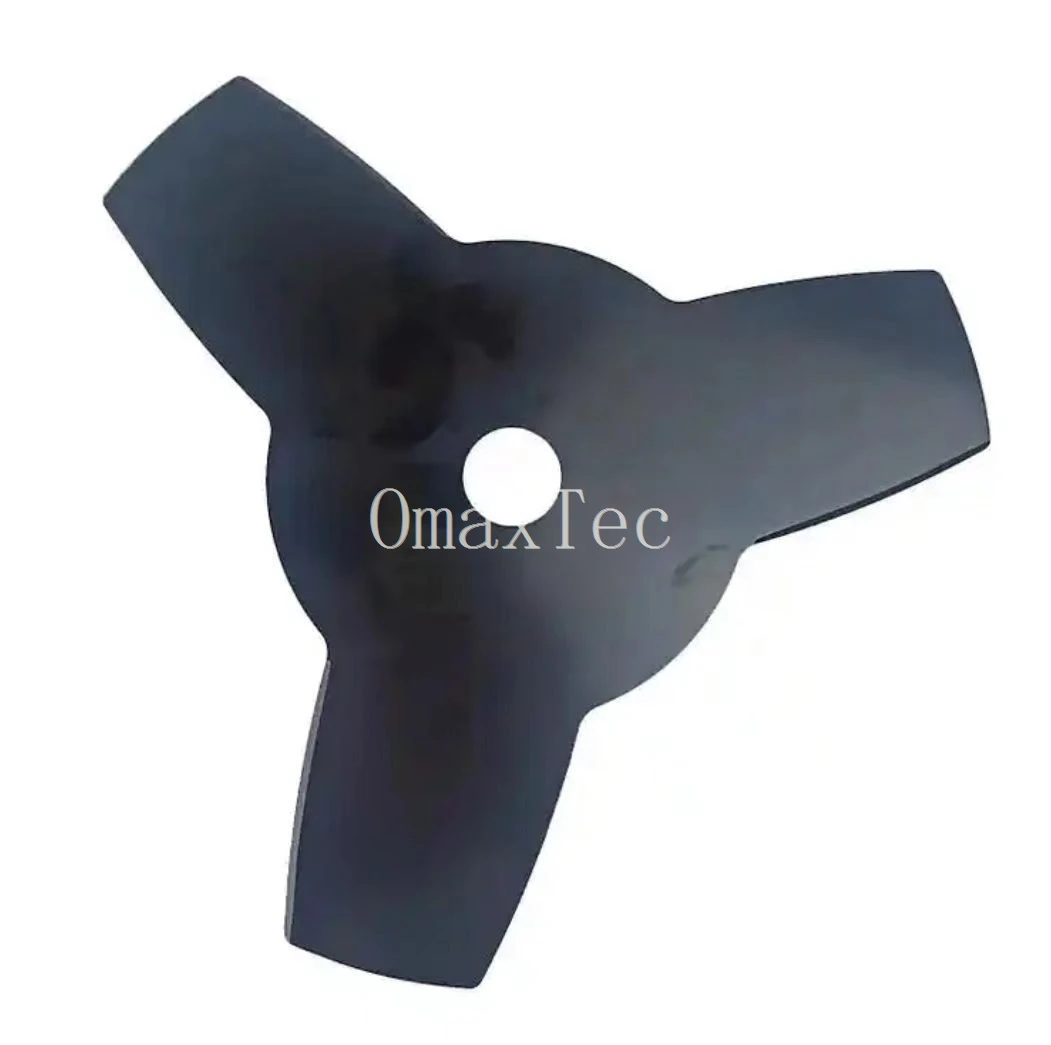
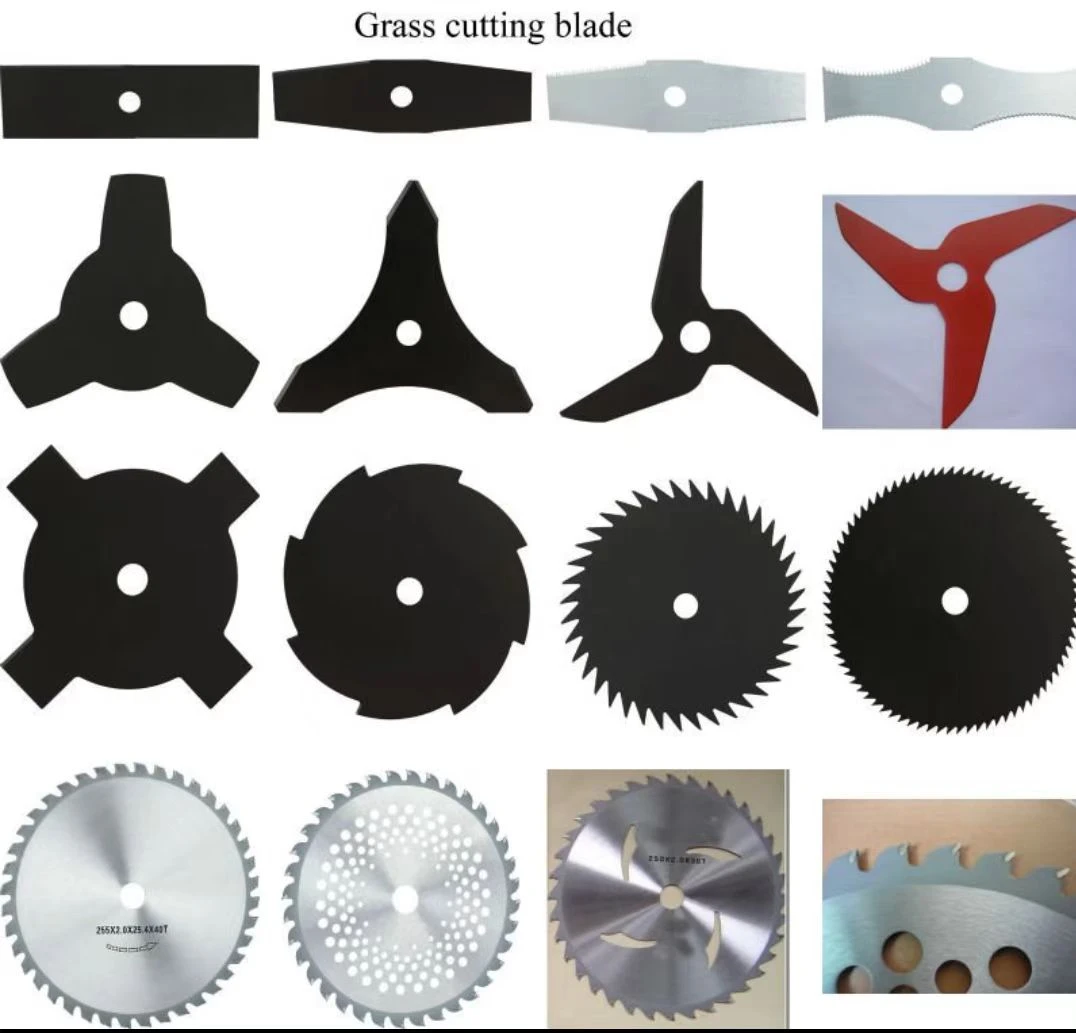
Grass Cutting Blade
In some cases, a grass cutting blade can be adapted to cut through cardboard tubes. These blades are designed to cut through soft materials, and they can be used to create holes or make cuts in the cardboard. However, they may not be as precise as drill bits for small holes.
Sds Plus Hammer Drill Bits
While SDS Plus hammer drill bits are mainly used for masonry and concrete, they can also be used for drilling through cardboard tubes in some situations. The hammering action of these drill bits can help to break through the cardboard fibers more effectively. However, they may be overkill for most cardboard tube drilling tasks and may cause more damage to the tube.
Conclusion
In conclusion, HSS drill bits can be used for drilling through cardboard tubes, but they have both advantages and disadvantages. They offer sharpness and precision, but they may also cause fraying and burning if not used correctly. If you need to create small, precise holes in a cardboard tube and are willing to take the necessary precautions, HSS drill bits can be a viable option. However, for larger holes or if you want a more straightforward and less damaging method, other tools such as utility knives or box cutters may be more suitable.
As a supplier of HSS drill bits, I am always happy to provide advice and guidance on the best tools for your specific needs. If you have any questions about our products or need assistance in choosing the right drill bit for your project, please feel free to contact me for a procurement discussion. I look forward to helping you find the perfect solution for your drilling requirements.
References
- "Handbook of Materials Selection" by Myer Kutz
- "The Complete Guide to DIY Tools" by DIY Experts Association


