


Maintaining a cross wheel spanner is crucial for its longevity, performance, and safety. As a supplier of high - quality cross wheel spanners, I understand the importance of proper maintenance. In this blog, I'll share some practical tips on how to maintain a cross wheel spanner effectively.
Understanding the Cross Wheel Spanner
Before we delve into maintenance, let's briefly understand what a cross wheel spanner is. A cross wheel spanner is a versatile hand tool commonly used for loosening and tightening wheel nuts on vehicles. Its cross - shaped design provides multiple gripping points, allowing for greater leverage and ease of use. The tool is available in various sizes to fit different wheel nut dimensions.
Regular Cleaning
One of the most fundamental steps in maintaining a cross wheel spanner is regular cleaning. Over time, dirt, grease, and debris can accumulate on the spanner, which not only makes it look unappealing but also affects its functionality.
- Cleaning Frequency: After each use, it's advisable to give the spanner a quick wipe down with a clean, dry cloth. This will remove any loose dirt or debris. For more thorough cleaning, perform a deep clean at least once a month, especially if the spanner has been used in dirty or greasy environments.
- Cleaning Process:
- Start by soaking the spanner in a mild detergent solution. You can use a bucket or a sink filled with warm water and a small amount of dish soap. Let the spanner soak for about 15 - 20 minutes to loosen stubborn dirt and grease.
- Use a soft - bristled brush, such as an old toothbrush, to scrub the spanner gently. Pay special attention to the corners, edges, and the inside of the sockets. This will help remove any dirt that has been stuck in hard - to - reach areas.
- Rinse the spanner thoroughly with clean water to remove all traces of the detergent. Make sure to dry it completely with a clean cloth to prevent rusting.
Lubrication
Proper lubrication is essential for the smooth operation of a cross wheel spanner. Lubrication reduces friction between the moving parts, prevents wear and tear, and extends the tool's lifespan.
- Type of Lubricant: Use a high - quality lubricant such as a penetrating oil or a silicone - based lubricant. Avoid using thick greases as they can attract dirt and debris, which may cause more harm than good.
- Lubrication Procedure:
- Apply a small amount of lubricant to the pivot points and the inside of the sockets. You can use a spray lubricant or a dropper to ensure precise application.
- Work the lubricant into the parts by moving the spanner back and forth a few times. This will help distribute the lubricant evenly and ensure that all moving parts are well - lubricated.
- Wipe off any excess lubricant with a clean cloth to prevent it from dripping onto surfaces or attracting dirt.
Inspection for Damage
Regular inspection is crucial to detect any signs of damage early on. Damage to a cross wheel spanner can compromise its safety and performance, so it's important to address any issues promptly.

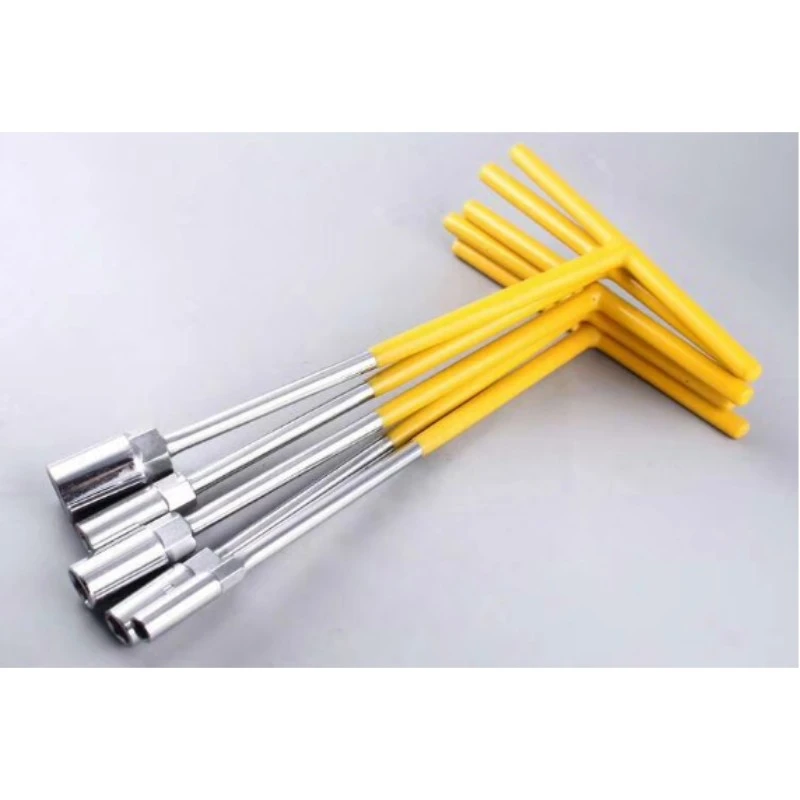
- Visual Inspection:
- Check the spanner for any cracks, chips, or bends. These can occur due to excessive force, improper use, or normal wear and tear. If you notice any damage, do not use the spanner as it may break during use, causing injury.
- Inspect the sockets for signs of wear. The edges of the sockets should be sharp and well - defined. If the edges are rounded or worn, the spanner may not grip the wheel nuts properly, increasing the risk of slippage.
- Functionality Test:
- Test the spanner's functionality by using it on a suitable wheel nut. Make sure it turns smoothly and provides a good grip. If you notice any stiffness, clicking, or other abnormal noises, it may indicate a problem with the spanner's internal mechanism.
Storage
Proper storage is often overlooked but is an important part of maintaining a cross wheel spanner. Storing the spanner correctly can prevent damage and keep it in good condition.
- Clean and Dry: Before storing the spanner, make sure it is clean and dry. As mentioned earlier, moisture can cause rusting, so drying the spanner thoroughly is essential.
- Protective Case: Consider using a protective case or a toolbox to store the spanner. This will protect it from dust, dirt, and physical damage. A case with individual compartments can also help keep the spanner organized and prevent it from getting scratched or damaged by other tools.
- Avoid Extreme Conditions: Store the spanner in a cool, dry place away from direct sunlight and extreme temperatures. High temperatures can cause the lubricant to break down, while low temperatures can make the metal brittle and more prone to cracking.
Other Related Spanners
In addition to cross wheel spanners, there are other types of spanners that are useful for various applications. For example, the Ratchet Spanner Set offers greater convenience and efficiency, especially when working in tight spaces. The L Type Wheel Spanner is a simple yet effective tool for loosening and tightening wheel nuts. And the Telescopic L Type Wheel Spanner provides adjustable length, making it suitable for different wheel sizes and hard - to - reach areas.
Conclusion
Maintaining a cross wheel spanner is not difficult, but it requires regular attention and care. By following the steps outlined in this blog, you can ensure that your cross wheel spanner remains in good condition, performs well, and lasts for a long time.
If you're in the market for high - quality cross wheel spanners or other hand tools, I invite you to reach out to me. I'm committed to providing top - notch products and excellent customer service. Whether you're a professional mechanic or a DIY enthusiast, I can help you find the right tools for your needs. Contact me to start a purchase negotiation, and let's work together to get you the tools you need.
References
- "Hand Tools: Maintenance and Safety", Industrial Technology Institute.
- "The Complete Guide to Tool Care", Home Improvement Magazine.


