


Hey there! As a ratchet spanner supplier, I've seen firsthand how these tools can make a world of difference in various projects. Whether you're a DIY enthusiast or a professional mechanic, knowing how to use a ratchet spanner properly is crucial. In this blog, I'll share some tips and tricks to help you get the most out of your ratchet spanner.
First things first, let's talk about what a ratchet spanner is. A ratchet spanner is a type of wrench that allows you to turn nuts and bolts in one direction without having to remove and reposition the tool. It has a ratcheting mechanism that enables the tool to engage and disengage the fastener, making it easier and faster to work with.
Now, let's dive into the steps of using a ratchet spanner properly.
Step 1: Choose the Right Size
The first step in using a ratchet spanner is to choose the right size for the job. Using the wrong size can damage the fastener or the tool itself. Most ratchet spanners come in a range of sizes, so make sure you select the one that matches the size of the nut or bolt you're working with. You can usually find the size of the fastener printed on it or in the project instructions.
Step 2: Insert the Socket
Once you've chosen the right size, you need to insert the socket onto the ratchet spanner. Most sockets have a square hole in the center that fits onto the square drive of the ratchet spanner. Simply align the socket with the drive and push it onto the tool until it clicks into place. Make sure the socket is securely attached to the ratchet spanner to prevent it from coming loose during use.
Step 3: Set the Direction
Before you start turning the fastener, you need to set the direction of the ratchet spanner. Most ratchet spanners have a switch or lever that allows you to change the direction of the ratcheting mechanism. If you want to tighten the fastener, set the switch to the forward position. If you want to loosen the fastener, set the switch to the reverse position.
Step 4: Position the Spanner
Once you've set the direction, you need to position the ratchet spanner onto the fastener. Place the socket over the nut or bolt and make sure it's fully seated. You may need to apply some pressure to ensure a good fit. Hold the ratchet spanner firmly in your hand and make sure your fingers are clear of the moving parts.
Step 5: Start Turning
Now it's time to start turning the fastener. Apply a steady, even pressure to the handle of the ratchet spanner in the direction you set in step 3. The ratcheting mechanism will allow you to turn the fastener without having to remove and reposition the tool. Keep turning until the fastener is tightened or loosened to the desired level.
Step 6: Use the Right Technique
Using the right technique is important when using a ratchet spanner. Here are some tips to help you get the most out of your tool:
- Apply Pressure Gradually: Don't try to tighten or loosen the fastener too quickly. Apply pressure gradually to avoid damaging the fastener or the tool.
- Use the Full Range of Motion: Make sure you use the full range of motion of the ratchet spanner. This will help you apply more torque and make the job easier.
- Keep the Tool Clean: After each use, clean the ratchet spanner and the socket to remove any dirt, debris, or oil. This will help prevent corrosion and keep the tool in good working condition.
Step 7: Store the Tool Properly
When you're finished using the ratchet spanner, make sure you store it properly. Keep it in a dry, clean place and make sure it's protected from damage. You may want to use a toolbox or a storage case to keep the ratchet spanner and the sockets organized.
In addition to these basic steps, there are a few other things you should keep in mind when using a ratchet spanner. For example, if you're working in a tight space, you may need to use a smaller socket or a different type of ratchet spanner. You may also want to use a torque wrench to ensure that you're applying the right amount of torque to the fastener.
Now, let's talk about some of the different types of ratchet spanners available. As a supplier, I offer a variety of ratchet spanners, including Cross Wheel Spanner, L Type Wheel Spanner, and Spanner Sets. Each type of ratchet spanner has its own unique features and benefits, so it's important to choose the one that's right for your needs.
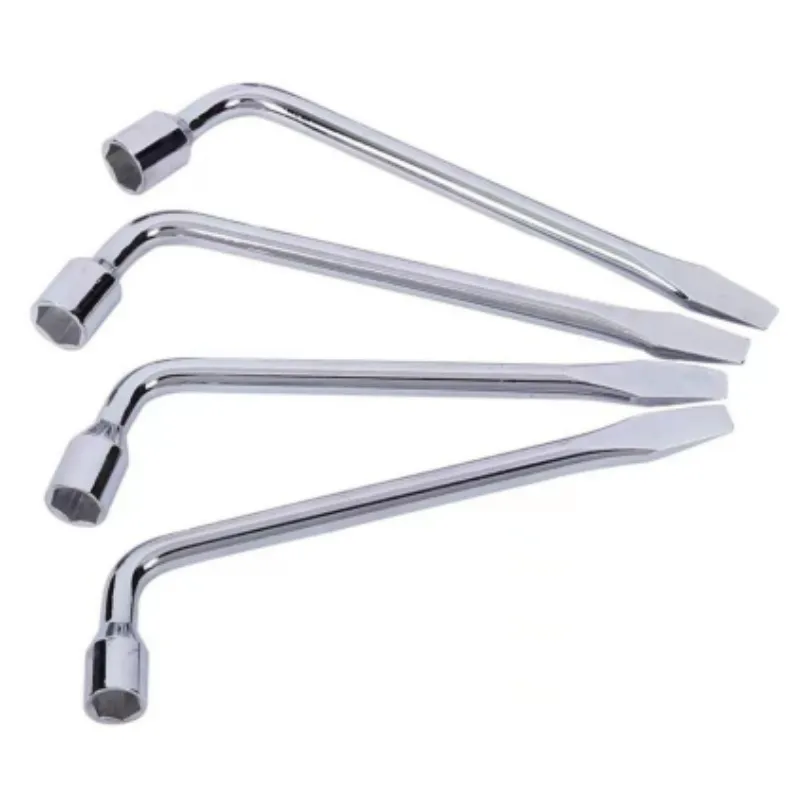
The cross wheel spanner is a versatile tool that can be used in a variety of applications. It has a cross-shaped design that allows you to access nuts and bolts in tight spaces. The L type wheel spanner is another popular option. It has an L-shaped design that provides extra leverage and makes it easier to turn stubborn fasteners. The spanner sets are a great choice if you need a variety of sizes and types of ratchet spanners. They usually come with a range of sockets and a ratchet spanner, making them a convenient and cost-effective option.
In conclusion, using a ratchet spanner properly is essential for getting the job done safely and efficiently. By following these steps and tips, you can ensure that you're using your ratchet spanner correctly and getting the most out of your tool. If you have any questions or need help choosing the right ratchet spanner for your needs, please don't hesitate to contact me. I'm here to help you find the perfect tool for your project.
If you're interested in purchasing ratchet spanners or any other hand tools, I'd love to hear from you. We offer a wide range of high-quality products at competitive prices. Contact us today to start a procurement discussion and find the right tools for your needs.
References

- General knowledge about hand tools and their usage.
- Experience as a ratchet spanner supplier.


