


In the realm of industrial and domestic applications, cutting tools are indispensable. As a cutting tools supplier, I've witnessed firsthand the remarkable evolution of these tools, especially in terms of safety features. Modern cutting tools are designed with a plethora of safety mechanisms to protect users from potential hazards. This blog post will delve into the various safety features of modern cutting tools, highlighting their importance and how they contribute to a safer working environment.
Ergonomic Design
One of the fundamental safety features of modern cutting tools is their ergonomic design. Tools are now crafted to fit comfortably in the user's hand, reducing fatigue and the risk of accidents. An ergonomic handle provides a secure grip, preventing the tool from slipping during operation. For instance, many hand-held cutting tools, such as utility knives and pruning shears, have contoured handles that conform to the natural shape of the hand. This design not only enhances control but also minimizes the strain on the user's wrist and fingers.
Moreover, the weight distribution of modern cutting tools is carefully balanced. A well-balanced tool is easier to maneuver, reducing the likelihood of sudden movements that could lead to injuries. For example, circular saws are designed with the motor and blade positioned in a way that distributes the weight evenly, making it more stable during cutting.
Blade Guards
Blade guards are a crucial safety feature found in most cutting tools. These guards are designed to cover the sharp edges of the blade, preventing accidental contact. In power tools like Circular Saw Blade Wood Cutting, the blade guard automatically retracts when the tool is in use and covers the blade when it's not. This ensures that the blade is only exposed when necessary, reducing the risk of cuts and lacerations.

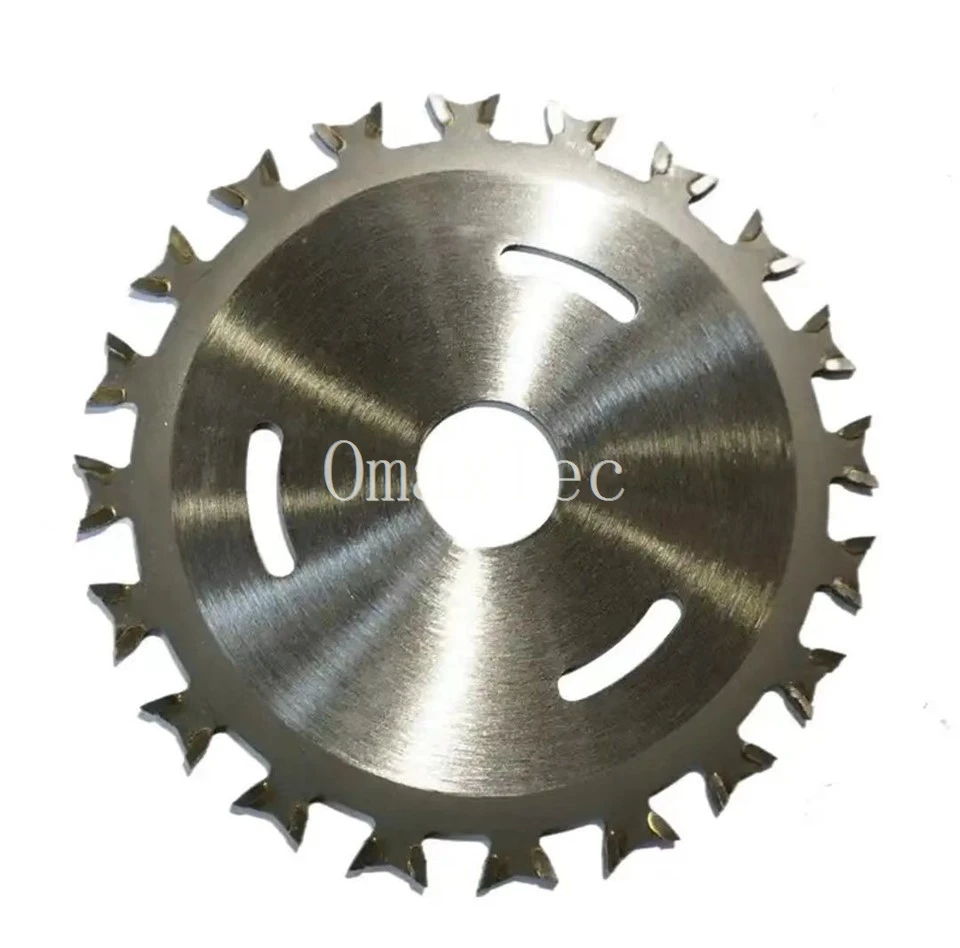
In addition to protecting the user, blade guards also help to contain debris and prevent it from flying out during cutting. This is particularly important in tools like table saws and band saws, where the high-speed rotation of the blade can generate a significant amount of debris. The blade guard acts as a shield, keeping the user safe from flying particles.
Safety Switches
Modern cutting tools are equipped with safety switches to prevent accidental activation. These switches are designed to require a deliberate action from the user to turn on the tool. For example, many power drills and saws have a trigger switch that must be held down continuously to keep the tool running. Once the user releases the trigger, the tool stops immediately.
Some cutting tools also feature a lock-off switch, which prevents the tool from being turned on accidentally. This is especially useful in tools that are stored in a toolbox or on a workbench, where they may be bumped or jostled. The lock-off switch ensures that the tool remains off until the user intentionally activates it.
Overload Protection
Overload protection is another important safety feature in modern cutting tools. This feature prevents the tool from overheating or burning out due to excessive use. When a tool is overloaded, the motor can overheat, which can not only damage the tool but also pose a fire hazard. Overload protection devices, such as thermal fuses and circuit breakers, automatically shut off the tool when it detects an overload.
For example, in high-powered cutting tools like angle grinders and routers, the overload protection feature ensures that the motor doesn't overheat during extended use. This not only protects the tool but also extends its lifespan.
Anti-Kickback Devices
Anti-kickback devices are commonly found in power saws, especially table saws and circular saws. Kickback occurs when the blade catches on the material being cut and suddenly throws the workpiece back towards the user. This can be extremely dangerous, as it can cause serious injuries.
Anti-kickback devices are designed to prevent kickback by stopping the blade from rotating in the event of a kickback situation. These devices typically consist of pawls or dogs that engage with the saw blade's teeth, preventing it from moving in the reverse direction. Some saws also feature a riving knife, which is a thin metal plate that sits behind the blade and helps to keep the workpiece from binding against the blade, reducing the risk of kickback.
Dust Collection Systems
Dust collection systems are an important safety feature in cutting tools, especially those used for woodworking and metalworking. When cutting materials, a significant amount of dust and debris is generated, which can be harmful to the user's health if inhaled.
Modern cutting tools are often equipped with dust collection systems that capture the dust and debris as it's generated. These systems typically consist of a dust chute or port that connects to a vacuum cleaner or dust collector. By collecting the dust at the source, the dust collection system helps to keep the work area clean and reduces the risk of respiratory problems for the user.
Diamond Grinding Wheel Safety
Diamond Grinding Wheel is a powerful cutting tool used for grinding and polishing hard materials such as metal, stone, and ceramics. These wheels are designed with several safety features to ensure safe operation.
One of the key safety features of diamond grinding wheels is the use of a reinforced wheel structure. The wheel is typically made of a metal or resin bond that holds the diamond particles in place. The bond is designed to be strong enough to withstand the high forces generated during grinding, but also flexible enough to prevent the wheel from shattering in the event of an impact.
In addition, diamond grinding wheels are often equipped with a safety flange, which is a metal ring that fits around the wheel and helps to distribute the load evenly. The safety flange also helps to prevent the wheel from coming loose during operation, reducing the risk of accidents.
Grass Cutting Blade Safety
Grass Cutting Blade is a common cutting tool used for lawn maintenance. These blades are designed with several safety features to protect the user from injuries.
One of the main safety features of grass cutting blades is the use of a blade guard. The blade guard covers the sharp edges of the blade, preventing accidental contact. In addition, many grass cutting blades are designed with a safety clutch, which disengages the blade in the event of an impact or overload. This helps to prevent the blade from getting damaged and also reduces the risk of injury to the user.
Conclusion
In conclusion, modern cutting tools are designed with a wide range of safety features to protect users from potential hazards. From ergonomic design and blade guards to safety switches and overload protection, these features work together to create a safer working environment. As a cutting tools supplier, I'm committed to providing high-quality tools that meet the highest safety standards.
If you're in the market for cutting tools, I encourage you to consider the safety features of each tool before making a purchase. By choosing tools with advanced safety features, you can minimize the risk of accidents and ensure a safe and productive work environment. If you have any questions or would like to discuss your cutting tool needs, please don't hesitate to contact me. I'm here to help you find the right tools for your specific requirements.
References
- American National Standards Institute (ANSI). (2023). Safety standards for cutting tools.
- Occupational Safety and Health Administration (OSHA). (2023). Guidelines for safe use of cutting tools.
- International Organization for Standardization (ISO). (2023). Standards for cutting tool safety.


