


In the realm of construction, woodworking, and various DIY projects, cutting tools are indispensable. They come in different types, each designed for specific tasks and materials. Two broad categories of cutting tools are handheld and power - operated cutting tools. As a cutting tools supplier, I have witnessed firsthand the unique features and applications of both types. In this blog, I'll delve into the differences between handheld and power - operated cutting tools to help you make an informed choice for your projects.
Design and Portability
One of the most obvious differences between handheld and power - operated cutting tools lies in their design and portability. Handheld cutting tools are, as the name suggests, tools that can be held and operated by hand. They are typically lightweight and compact, making them easy to carry around. Examples of handheld cutting tools include utility knives, hand saws, and pruning shears.
Utility knives are versatile handheld tools that can be used for a variety of tasks, such as cutting cardboard, opening packages, or trimming materials. They usually have a retractable blade for safety and are available in different sizes and blade types. Hand saws, on the other hand, are used for cutting wood, plastic, or metal. They come in various shapes and tooth configurations, depending on the type of material to be cut. Pruning shears are designed specifically for cutting branches and shrubs in gardening and landscaping.
In contrast, power - operated cutting tools are larger and heavier. They require a power source, such as electricity, battery, or compressed air, to operate. Power - operated tools offer greater cutting power and speed compared to handheld tools. Examples of power - operated cutting tools include circular saws, jigsaws, and drills.
Circular saws are powerful tools used for cutting large pieces of wood, metal, or plastic. They have a circular blade that rotates at high speed, allowing for quick and precise cuts. Jigsaws are more versatile and can be used for cutting curves and intricate shapes in various materials. Drills are used for making holes in wood, metal, and other materials. They come in different sizes and power ratings, depending on the application.
The portability of handheld tools makes them ideal for small - scale projects or tasks that require mobility. For example, if you're working on a DIY project at home and need to make a few quick cuts, a handheld utility knife or hand saw will suffice. On the other hand, power - operated tools are better suited for large - scale projects or professional use, where speed and efficiency are crucial. If you're a contractor working on a construction site, you'll likely need the power and precision of a circular saw or drill.
Cutting Power and Efficiency
Another significant difference between handheld and power - operated cutting tools is their cutting power and efficiency. Handheld tools rely on the user's physical strength to operate, which means that the cutting power is limited by the user's ability. While handheld tools can be effective for cutting soft materials or making small cuts, they may struggle with harder materials or larger projects.
For instance, using a hand saw to cut through a thick piece of hardwood can be time - consuming and physically demanding. The user has to apply a significant amount of force to make the cut, and the process may not be very precise. In contrast, power - operated tools can generate much more cutting power. They can cut through hard materials with ease and complete large - scale projects in a fraction of the time.
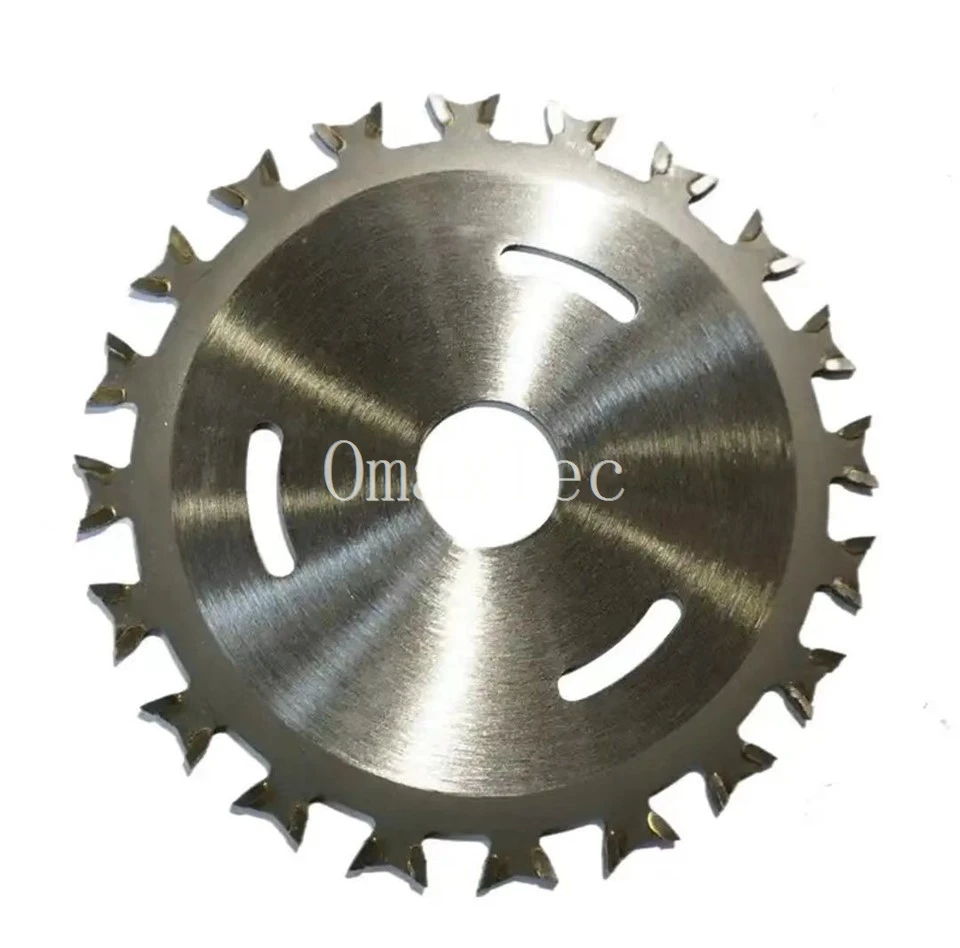

A circular saw, for example, can quickly cut through a thick plank of wood with a single pass. The high - speed rotation of the blade and the power of the motor make it much more efficient than a hand saw. Similarly, a power drill can make holes in metal or concrete much faster than a handheld drill.
However, it's important to note that the increased power of power - operated tools also comes with some risks. They can be more dangerous to use if not handled properly, and they require more skill and experience to operate safely. Handheld tools, on the other hand, are generally safer and easier to use, especially for beginners.
Precision and Control
Precision and control are also important factors when considering the difference between handheld and power - operated cutting tools. Handheld tools offer greater control over the cutting process. Since the user is directly holding the tool, they can adjust the pressure, angle, and speed of the cut more easily. This makes handheld tools ideal for tasks that require precision, such as detailed woodworking or trimming.
For example, a woodworker using a hand plane can carefully control the depth and smoothness of the cut to create a perfect finish. A jeweler using a handheld file can shape and polish small pieces of metal with great precision. In these cases, the user's skill and dexterity are crucial for achieving the desired result.
Power - operated tools, while offering greater cutting power, may be more difficult to control precisely. The high - speed rotation of the blade or the force of the motor can make it challenging to make small adjustments during the cutting process. However, modern power - operated tools are equipped with features such as variable speed controls, laser guides, and adjustable blades to improve precision and control.
For example, a jigsaw with a variable speed control allows the user to adjust the cutting speed according to the material and the type of cut. A circular saw with a laser guide helps the user to make straight and accurate cuts. These features make power - operated tools more precise and easier to use, but they still require some practice and skill to master.
Cost and Maintenance
Cost and maintenance are two practical considerations when choosing between handheld and power - operated cutting tools. Handheld tools are generally more affordable than power - operated tools. They have a lower initial cost and do not require a power source, which means that there are no additional costs for electricity or batteries.
For example, a basic hand saw can cost as little as a few dollars, while a high - end circular saw can cost several hundred dollars. Handheld tools also require less maintenance. They do not have complex motors or electrical components, so there are fewer parts that can break down. Regular cleaning and sharpening of the blade are usually sufficient to keep a handheld tool in good working condition.
In contrast, power - operated tools are more expensive to purchase. They require a power source, which adds to the overall cost. Additionally, power - operated tools have more complex components, such as motors, gears, and batteries, which require regular maintenance. For example, a drill may need to have its battery replaced periodically, and a circular saw may need to have its blade sharpened or replaced more frequently.
However, it's important to consider the long - term cost and value of the tool. While power - operated tools may have a higher initial cost, they can save time and effort in the long run, especially for large - scale projects. The increased efficiency and cutting power of power - operated tools can result in higher productivity and potentially higher profits for professional users.
Specific Tool Examples
Let's take a closer look at some specific cutting tools in each category.
Handheld Tools
- Utility Knife: As mentioned earlier, utility knives are versatile handheld tools. They are commonly used in offices, warehouses, and home workshops. A good quality utility knife can have a sharp, replaceable blade that can cut through a variety of materials, including paper, cardboard, and thin plastics.
- Hand Saw: There are different types of hand saws, such as crosscut saws for cutting across the grain of wood and rip saws for cutting along the grain. A well - made hand saw with sharp teeth can make clean and precise cuts in wood.
Power - Operated Tools
- Sds Plus Hammer Chisel: This is a powerful power - operated tool used for breaking up concrete, masonry, and other hard materials. It combines the hammering action with the rotation of the chisel, making it very effective for heavy - duty demolition work.
- Circular Saw Blade Wood Cutting: Circular saws with wood - cutting blades are essential tools for woodworking and construction. They can make straight cuts in large pieces of wood quickly and accurately.
- Hss Drill Bits: High - speed steel (HSS) drill bits are used with power drills to make holes in various materials, including metal, wood, and plastic. HSS drill bits are known for their durability and ability to maintain a sharp edge.
Conclusion
In conclusion, both handheld and power - operated cutting tools have their own advantages and disadvantages. Handheld tools are portable, easy to use, and affordable. They are ideal for small - scale projects, tasks that require precision and control, and for users who are on a budget or have limited experience. Power - operated tools, on the other hand, offer greater cutting power, speed, and efficiency. They are better suited for large - scale projects, professional use, and cutting hard materials.
As a cutting tools supplier, I understand that choosing the right tool depends on your specific needs and requirements. Whether you're a DIY enthusiast or a professional contractor, I can provide you with a wide range of high - quality cutting tools to meet your needs. If you're unsure which tool is right for your project, feel free to contact me for advice. I'm always happy to help you make the best choice and ensure that you have the right tool for the job.
If you're interested in purchasing cutting tools, please reach out to me for a detailed discussion on your requirements and to explore the best options available. I look forward to working with you to find the perfect cutting tools for your projects.
References
- "The Complete Guide to Woodworking Tools" by Tom Begnal
- "Power Tools for Beginners" by John Doe
- Manufacturer's manuals and specifications for various cutting tools


