


Hey there! As a supplier of diamond saw blades, I often get asked about the difference between laser - welded and sintered diamond saw blades. So, I thought I'd break it down for you in this blog post.
Let's start with laser - welded diamond saw blades. These are pretty cool pieces of tech. Laser welding involves using a high - energy laser beam to join the diamond segments to the blade's core. The laser creates a super - strong bond between the diamond segments and the metal core.
One of the big advantages of laser - welded saw blades is their precision. The laser can be controlled very accurately, which means the diamond segments are placed exactly where they need to be on the blade. This precision leads to a cleaner cut. When you're working on a project that requires a high - quality finish, like cutting marble for a fancy countertop or slicing through ceramic tiles for a bathroom renovation, a laser - welded saw blade is often your best bet.
Another plus is the durability of laser - welded blades. The strong bond created by the laser means that the diamond segments are less likely to come loose during cutting. This is especially important when you're dealing with tough materials. For example, if you're cutting through concrete or granite, you don't want the segments flying off the blade. Laser - welded blades can handle the high - stress conditions of cutting hard materials without losing their segments.
However, laser - welded saw blades do have some drawbacks. They tend to be more expensive than sintered blades. The technology involved in laser welding is complex and requires specialized equipment, which drives up the cost. Also, because the diamond segments are welded onto the core, they can't be easily replaced. Once a segment wears out, you might have to replace the whole blade, which can be a bit of a pain in the wallet.
Now, let's talk about sintered diamond saw blades. Sintering is a process where the diamond segments are formed by heating a mixture of diamond particles and metal powder under high pressure. The heat and pressure cause the particles to fuse together, creating a solid segment.
Sintered blades are known for their versatility. They can be used for a wide range of materials, from soft stones to hard metals. This makes them a popular choice for general - purpose cutting jobs. If you're a contractor who works on different types of projects, a sintered diamond saw blade can be a great all - around tool in your kit.
One of the key benefits of sintered blades is their cost - effectiveness. Since the manufacturing process is less complex than laser welding, sintered blades are usually cheaper. This is a big plus for small - scale contractors or DIY enthusiasts who are on a budget.
Another advantage is that the diamond segments on sintered blades can often be replaced. When a segment wears out, you can simply swap it for a new one, which extends the life of the blade and saves you money in the long run.
But sintered blades also have their limitations. They may not offer the same level of precision as laser - welded blades. The sintering process is a bit more of a "bulk" method, and it can be harder to achieve the same level of accuracy in segment placement. This can result in a slightly rougher cut, which might not be ideal for projects that require a high - end finish.
In terms of durability, sintered blades may not be as tough as laser - welded ones when it comes to cutting extremely hard materials. The bond between the diamond particles and the metal matrix in sintered segments may not be as strong as the laser - welded bond, so the segments can wear out more quickly when cutting through very dense materials.
When it comes to choosing between a laser - welded and a sintered diamond saw blade, it really depends on your specific needs. If you're working on high - end projects that demand precision and durability, and cost isn't a major concern, a laser - welded blade is probably the way to go. On the other hand, if you're looking for a cost - effective, versatile tool for general - purpose cutting, a sintered blade might be a better fit.

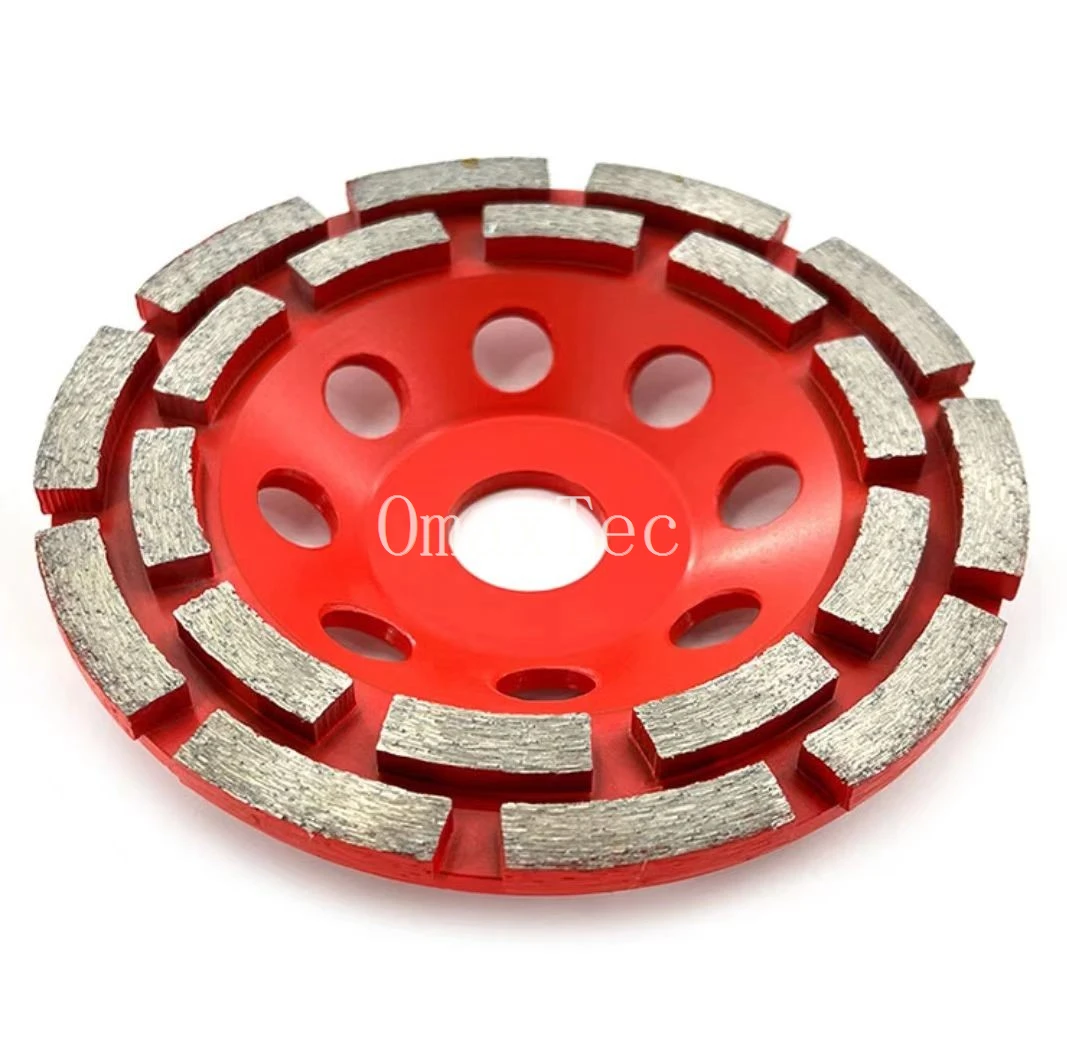
Now, I know some of you might be thinking about other cutting tools too. If you're in the market for something like a Sds Plus Hammer Chisel, we've got you covered. These are great for breaking through tough materials like concrete and masonry. And if you need to do some grinding, our Diamond Grinding Wheel is a top - notch option. It can handle all sorts of grinding jobs with ease. Also, for those wood - cutting projects, check out our Circular Saw Blade Wood Cutting. It's designed to give you a smooth and clean cut every time.
If you're interested in purchasing any of our diamond saw blades or other cutting tools, don't hesitate to reach out. We're always happy to have a chat about your project requirements and help you find the right tool for the job. Whether you're a professional contractor or a DIYer, we've got the products and expertise to support you.
References:
- Industry knowledge and experience as a diamond saw blade supplier
- General research on diamond saw blade manufacturing processes


