


Hey there! As a supplier of Cross Wheel Spanners, I've seen firsthand the importance of using the right tools in good condition. Today, I wanna talk about the effects of using a worn - out cross wheel spanner.
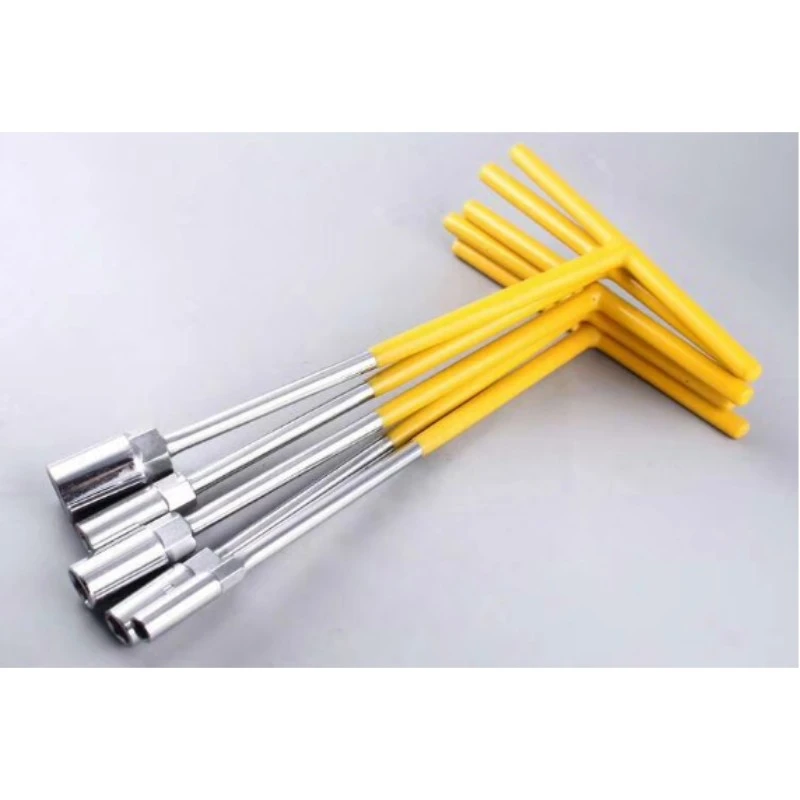
First off, let's understand what a cross wheel spanner is. It's a handy tool, often used in automotive and mechanical work. It has a unique cross - shaped design with multiple sockets at the ends, allowing you to tackle different sizes of nuts and bolts. You can find various types of spanners on our site, like the Ratchet Spanner Set, Double Ring Spanner, and T Spanner.
Now, let's dig into the problems that come with using a worn - out cross wheel spanner.
1. Reduced Grip
One of the most obvious effects is a reduced grip on the nuts and bolts. Over time, the edges of the sockets in the cross wheel spanner can wear down. When this happens, the spanner doesn't fit snugly around the fastener. Instead of a firm hold, you get a loose connection. This is a real pain in the neck because it makes it difficult to apply the right amount of torque. You might find yourself struggling to turn the nut or bolt, and there's a high chance of it slipping.
Imagine you're working on your car's engine, trying to tighten a crucial bolt. If your cross wheel spanner is worn out, you could end up applying uneven pressure. This not only makes the job take longer but also increases the risk of damaging the fastener. The bolt might get stripped, which means you'll have to replace it. And that's not just an extra expense; it also adds more time to your repair.
2. Inaccurate Torque Application
Torque is super important in mechanical work. It's the amount of force you apply to turn a nut or bolt, and it needs to be just right. A worn - out cross wheel spanner can throw off your torque measurements. Since the grip is compromised, the force you apply doesn't transfer efficiently to the fastener. You might think you're applying the correct amount of torque, but in reality, you're either over - or under - tightening the bolt.
Under - tightening a bolt can lead to parts coming loose over time. This is especially dangerous in critical applications like in a vehicle's suspension system. If a bolt isn't tightened enough, it could cause the suspension to fail while you're driving, which is a major safety hazard. On the other hand, over - tightening can damage the threads on the bolt or the mating surface. This can weaken the connection and make it more likely to break under stress.
3. Safety Risks
Using a worn - out cross wheel spanner poses significant safety risks. As I mentioned earlier, the loose grip can cause the spanner to slip. When this happens, you could end up hitting your hand or other body parts against sharp edges or hot components. In a workshop environment, there are all sorts of tools and machinery around, and a slipping spanner can easily cause an accident.
Also, if a bolt isn't tightened properly due to the worn - out spanner, it can lead to component failure. For example, in an industrial setting, a loose bolt on a conveyor belt could cause the belt to come off, potentially injuring workers or damaging the equipment. Safety should always be a top priority, and using a well - maintained cross wheel spanner is a big part of that.
4. Increased Wear and Tear on Fasteners
A worn - out cross wheel spanner doesn't just affect itself; it also takes a toll on the nuts and bolts it's used on. The uneven pressure and slipping can cause excessive wear on the fastener. The edges of the nut or bolt can get rounded off, making it even harder to use a spanner on it in the future. This creates a vicious cycle where the more you use the worn - out spanner, the more damaged the fasteners become.
In some cases, the fasteners might become so damaged that they need to be replaced. And if you're working on a large project, like building a bridge or a machine, the cost of replacing multiple fasteners can add up quickly. It's just not worth it when you could have avoided the problem by using a good - quality, well - maintained cross wheel spanner.
5. Decreased Productivity
When you're using a worn - out cross wheel spanner, you're not working as efficiently as you could be. Every time the spanner slips or you have to struggle to apply the right torque, it eats into your time. You might have to stop and re - position the spanner multiple times, and that's time that could be better spent on other tasks.
In a professional workshop, time is money. If your mechanics are constantly dealing with the issues caused by worn - out spanners, it can slow down the entire repair process. This can lead to delays in getting vehicles or equipment back to their owners, which can damage your reputation. And in a DIY setting, it just means you're spending more time on a job that should be relatively quick and easy.

How to Avoid These Issues
So, how can you steer clear of these problems? Well, the first thing is to regularly inspect your cross wheel spanners. Look for signs of wear, like rounded edges on the sockets or any visible damage. If you notice any issues, it's time to replace the spanner.
It's also a good idea to invest in high - quality cross wheel spanners in the first place. Cheaper spanners might seem like a good deal at the time, but they're more likely to wear out quickly. A good - quality spanner will last longer and perform better, saving you money in the long run.
And don't forget to store your spanners properly. Keep them in a dry, clean place, and make sure they're organized. This not only helps prevent damage but also makes it easier to find the right spanner when you need it.
Conclusion
Using a worn - out cross wheel spanner is a recipe for disaster. It can lead to reduced grip, inaccurate torque application, safety risks, increased wear and tear on fasteners, and decreased productivity. As a supplier, I know how important it is to have reliable tools. That's why we offer a wide range of high - quality cross wheel spanners, along with other great options like the Ratchet Spanner Set, Double Ring Spanner, and T Spanner.
If you're in the market for new spanners or want to discuss your tool needs, don't hesitate to reach out. We're here to help you get the right tools for the job and ensure your work is done safely and efficiently.
References
- "Hand Tools: Selection, Use, and Maintenance" by Some Author
- "Automotive Repair Manual" by Another Author


