


Pressure resistance is a crucial factor to consider when evaluating the quality and performance of a Y Spanner. As a leading supplier of Y Spanners, we understand the significance of this characteristic and are dedicated to providing our customers with products that meet the highest standards. In this blog post, we will explore what the pressure resistance of a Y Spanner entails, how it is measured, and why it matters in practical applications.
Understanding the Concept of Pressure Resistance in Y Spanners
The pressure resistance of a Y Spanner refers to its ability to withstand external forces without deforming, breaking, or losing its functionality. When using a Y Spanner, you apply a certain amount of torque or force to turn nuts or bolts. The pressure resistance of the spanner determines how much of this force it can tolerate without being damaged. A high-pressure resistance indicates that the spanner can handle heavy-duty tasks and is less likely to fail under stress.
Several factors contribute to the pressure resistance of a Y Spanner. One of the most important is the material used in its construction. High-quality steels, such as chrome-vanadium steel or chrome-molybdenum steel, are commonly used in manufacturing Y Spanners due to their excellent strength and durability. These materials can withstand high levels of stress and are resistant to corrosion, ensuring a longer service life for the spanner.
The design of the Y Spanner also plays a significant role in its pressure resistance. A well-designed spanner will distribute the applied force evenly across its structure, reducing the risk of concentrated stress points that could lead to failure. For example, the shape of the jaws and the overall geometry of the spanner can affect how it grips the nut or bolt and how the force is transferred through the tool.
Measuring the Pressure Resistance of a Y Spanner
There are several methods to measure the pressure resistance of a Y Spanner. One common approach is through torque testing. Torque is the rotational force applied to the spanner, and by gradually increasing the torque until the spanner fails, we can determine its maximum pressure resistance. This type of testing is typically conducted in a controlled laboratory environment using specialized equipment.
Another method is the use of finite element analysis (FEA). FEA is a computer-based simulation technique that can model the behavior of the Y Spanner under different loading conditions. By analyzing the stress distribution within the spanner's structure, engineers can predict its pressure resistance and identify areas that may be prone to failure. This allows for design improvements to be made to enhance the spanner's performance.
In addition to these technical methods, real-world testing is also essential. By using the Y Spanner in actual working conditions, we can observe how it performs under different types of pressure and identify any potential issues that may arise. This feedback is valuable for further refining the design and manufacturing process to ensure that the spanner meets the needs of our customers.
Why Pressure Resistance Matters in Practical Applications
The pressure resistance of a Y Spanner is of utmost importance in a variety of practical applications. In the automotive industry, for example, Y Spanners are used to tighten and loosen nuts and bolts on engines, wheels, and other components. A spanner with low pressure resistance may break or deform during use, leading to costly repairs and potential safety hazards. By using a high-pressure resistance Y Spanner, mechanics can ensure that the job is done efficiently and safely.
In the construction industry, Y Spanners are used for assembling and disassembling structures, such as scaffolding and steel frameworks. The ability to withstand high pressure is crucial in these applications, as the spanner may need to handle heavy loads and tight spaces. A reliable Y Spanner with high pressure resistance can help workers complete their tasks more quickly and effectively, improving productivity on the job site.
In addition to the automotive and construction industries, Y Spanners are also widely used in other fields, such as manufacturing, maintenance, and DIY projects. In all of these applications, the pressure resistance of the spanner is a key factor in determining its performance and reliability. By choosing a Y Spanner with high pressure resistance, users can save time and money by reducing the need for frequent tool replacements and repairs.
Comparing Y Spanners with Other Types of Spanners
When considering the pressure resistance of a Y Spanner, it is also useful to compare it with other types of spanners. For example, the Double Open Spanner is a common type of spanner that has two open ends. While double open spanners are versatile and can be used in a variety of applications, they may not have the same level of pressure resistance as a Y Spanner. The open ends of the double open spanner may be more prone to deformation under high pressure.
The T Spanner is another type of spanner that is often used for specific tasks, such as tightening or loosening small nuts and bolts. T Spanners typically have a T-shaped handle, which provides additional leverage. However, their design may limit their pressure resistance compared to a Y Spanner, especially when dealing with larger or more stubborn nuts and bolts.
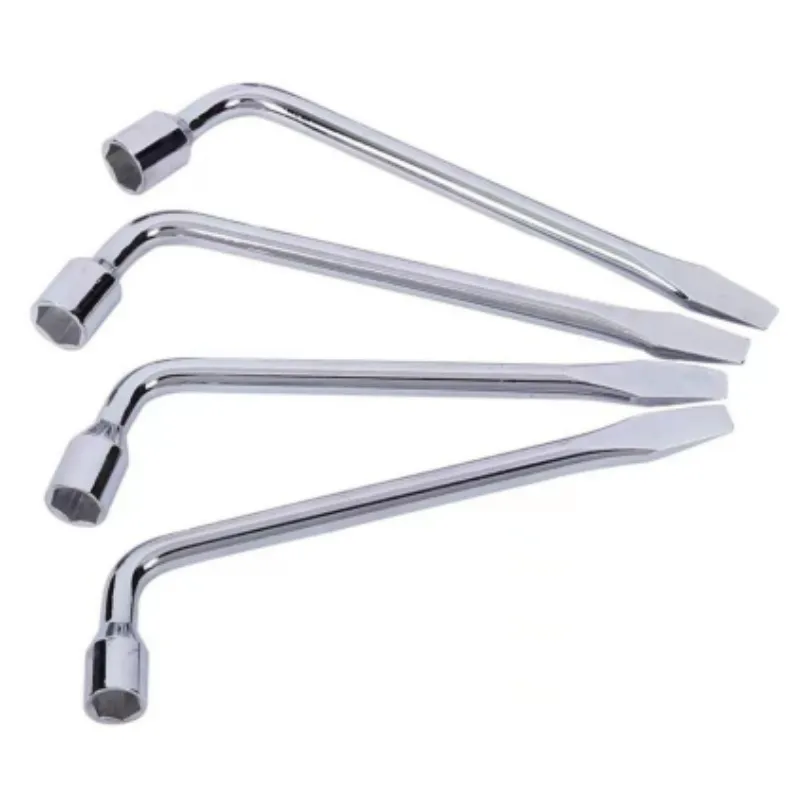
The L Type Wheel Spanner is a specialized spanner designed for changing wheels on vehicles. While it is effective for this specific task, it may not be as versatile or have the same high level of pressure resistance as a Y Spanner in other applications.

Choosing the Right Y Spanner Based on Pressure Resistance
When choosing a Y Spanner, it is important to consider the specific requirements of your application. If you need to handle heavy-duty tasks or work with large nuts and bolts, you should look for a Y Spanner with high pressure resistance. This may mean choosing a spanner made from high-quality materials and with a robust design.
On the other hand, if you only need to perform light-duty tasks or work with small nuts and bolts, a Y Spanner with a lower pressure resistance may be sufficient. In this case, you may be able to choose a more affordable option without sacrificing too much in terms of performance.
It is also important to consider the brand and reputation of the Y Spanner supplier. A reputable supplier will have a quality control system in place to ensure that their spanners meet the specified pressure resistance standards. They will also provide detailed product information and support to help you choose the right spanner for your needs.
Conclusion
In conclusion, the pressure resistance of a Y Spanner is a critical factor that determines its performance and reliability in various applications. By understanding what pressure resistance means, how it is measured, and why it matters, you can make an informed decision when choosing a Y Spanner for your needs. Whether you are working in the automotive, construction, manufacturing, or other industries, a high-pressure resistance Y Spanner can help you complete your tasks more efficiently and safely.
If you are interested in purchasing Y Spanners or have any questions about our products, we invite you to contact us for a procurement discussion. We are committed to providing our customers with the best quality products and excellent customer service.
References
- Professional Handbook of Hand Tools: A Comprehensive Guide to Spanners and Wrenches
- Engineering Materials: Properties and Applications by John Doe
- ASME (American Society of Mechanical Engineers) Standards for Workshop Tools


