


Yo, what's up tool enthusiasts! I'm here as a hand tools supplier to break down the difference between a flat - head and a Phillips - head screwdriver. You might be thinking, "A screwdriver's a screwdriver, right?" Well, not quite. Let's dive in and explore these two common yet distinct tools.
Appearance
First off, let's talk about how they look. A flat - head screwdriver, also known as a slotted screwdriver, has a simple, flat blade at the tip. It's like a thin, straight piece of metal that tapers to a point. This blade is designed to fit into the straight, single - slot screw heads. You've probably seen these in all sorts of sizes, from tiny ones for electronics to big ones for heavy - duty jobs.
On the other hand, a Phillips - head screwdriver has a tip with a cross - shaped design. The four - point star shape is pretty distinctive. This design was patented by Henry F. Phillips in the 1930s. It was a game - changer at the time because it was different from the traditional flat - head.
Functionality
Now, let's get into how they work. The flat - head screwdriver is super versatile. You can use it for a wide range of screws that have a single, straight slot. It's great for older furniture, some electrical components, and even in DIY projects around the house. When you use a flat - head screwdriver, you place the blade into the slot of the screw and turn it. However, one of the downsides is that it can easily slip out of the slot, especially if you're applying a lot of force. This can lead to scratched surfaces or even damage to the screw head.
The Phillips - head screwdriver, on the other hand, is designed to self - center in the screw head. The cross - shaped tip fits snugly into the Phillips - head screw. This self - centering feature makes it easier to start the screw and reduces the chance of slipping compared to a flat - head. It's commonly used in modern manufacturing, like in assembling cars, electronics, and household appliances. But here's the catch: if you use the wrong size Phillips - head screwdriver, it can strip the screw head. The four points can dig in too deeply or not fit properly, causing the screw to become useless.
Applications
Let's talk about where you'd typically use each type. Flat - head screwdrivers are often used in older or more traditional settings. For example, if you're working on an antique piece of furniture, chances are you'll need a flat - head to remove or tighten the screws. They're also handy for some plumbing jobs, like adjusting faucets or working on pipe fittings.
Phillips - head screwdrivers are more prevalent in modern products. When you're putting together a new bookshelf from a big - box store, or working on your computer's internal components, you'll likely reach for a Phillips - head. In the automotive industry, Phillips - head screws are used in many places, from dashboard panels to engine covers.
Advantages and Disadvantages
Let's weigh the pros and cons of each. The flat - head screwdriver's biggest advantage is its simplicity. It's easy to understand and use, and you can find them almost anywhere. They're also relatively inexpensive, so you can have a set in different sizes without breaking the bank. However, as I mentioned earlier, the slipping issue is a major drawback. It can make the job more frustrating and potentially cause damage.

The Phillips - head screwdriver's self - centering feature is a huge plus. It makes the job quicker and more efficient, especially when you're dealing with a lot of screws. But the risk of stripping the screw head is a significant disadvantage. And if you don't have the right size on hand, you might be out of luck.
Compatibility with Screws
It's important to note that using the right screwdriver for the screw is crucial. A flat - head screwdriver won't work well with a Phillips - head screw, and vice versa. If you try to force a flat - head into a Phillips - head screw, you'll likely damage both the screw and the screwdriver. Similarly, using a Phillips - head on a flat - head screw will result in a poor fit and ineffective turning.
Other Hand Tools in Our Arsenal
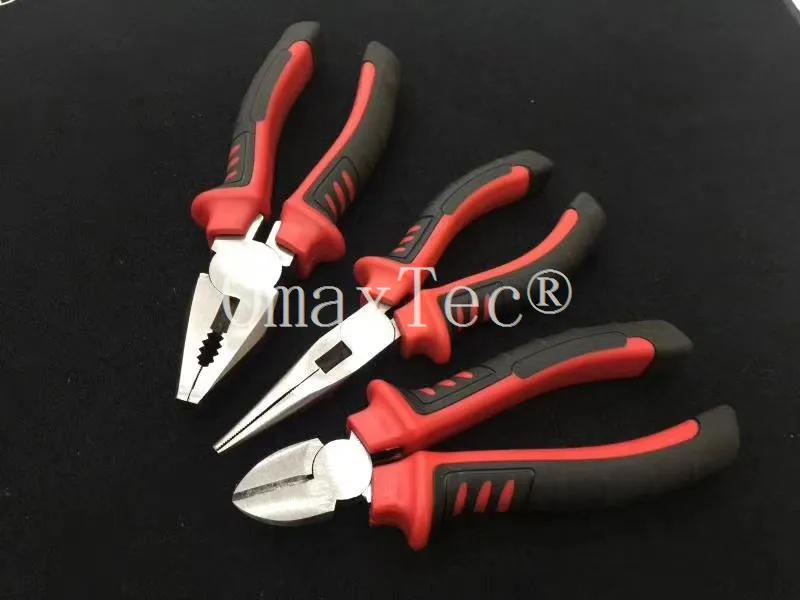
As a hand tools supplier, I've got more than just screwdrivers. We also offer some really cool tools like the Cide Cutting Diagonal Cutting Plier. These pliers are great for cutting wires, nails, and other small metal objects. They're durable and have a sharp cutting edge that gets the job done quickly.
Another great tool we have is the Sledge Hammer. This is a heavy - duty tool used for breaking up concrete, driving large stakes, and other tough jobs. It's got a solid head and a long handle that gives you plenty of leverage.
And then there's the Hand Axe. This is a versatile tool for chopping wood, clearing brush, and even some light construction work. It's lightweight and easy to handle, making it a great addition to any toolbox.
Conclusion
So, there you have it, the difference between a flat - head and a Phillips - head screwdriver. Each has its own unique features, advantages, and disadvantages. Knowing when to use each one can make your DIY projects or professional work a whole lot easier.
If you're in the market for high - quality hand tools, whether it's screwdrivers, pliers, hammers, or axes, I'd love to talk to you. We've got a wide range of tools that are built to last and get the job done right. Reach out to us for more information and let's start a conversation about your tool needs.
References
- "Hand Tools: A Practical Guide" by John Doe
- "The History of Screwdrivers" by Jane Smith


