


Hey there! As a sledge hammer supplier, I've been getting a lot of questions lately about the relationship between the weight of a sledge hammer and its performance. So, I thought I'd take a few minutes to break it down for you.
First off, let's talk about what a sledge hammer is used for. Sledge hammers are heavy-duty tools designed for tasks that require a lot of force, like breaking up concrete, driving stakes, or demolishing structures. They're typically used in construction, mining, and other industrial settings, but they can also come in handy for DIY projects around the house.
Now, when it comes to the weight of a sledge hammer, there's a general rule of thumb: the heavier the hammer, the more force it can deliver. This is because the weight of the hammer head creates momentum as it swings, and that momentum is transferred to the object being struck. So, if you're trying to break up a large piece of concrete, for example, a heavier sledge hammer will be more effective than a lighter one.
But here's the thing: just because a heavier sledge hammer can deliver more force doesn't mean it's always the best choice. There are a few factors you need to consider before deciding on the right weight for your needs.
One of the most important factors is your own strength and physical ability. If you're not used to using a heavy tool, trying to swing a 20-pound sledge hammer can be exhausting and even dangerous. You're more likely to make mistakes or lose control of the hammer, which could lead to injury. On the other hand, if you're a seasoned professional with plenty of upper body strength, you might be able to handle a heavier hammer with ease.
Another factor to consider is the type of task you're performing. Some tasks, like driving stakes into the ground, don't require as much force as others, like breaking up concrete. In these cases, a lighter sledge hammer might be more appropriate. It'll be easier to control and less tiring to use, which can help you work more efficiently.
The size and shape of the object you're striking also play a role in determining the right weight of sledge hammer. If you're working on a small, delicate object, a heavy sledge hammer could cause more damage than good. In these cases, a lighter hammer with a smaller head might be a better choice.
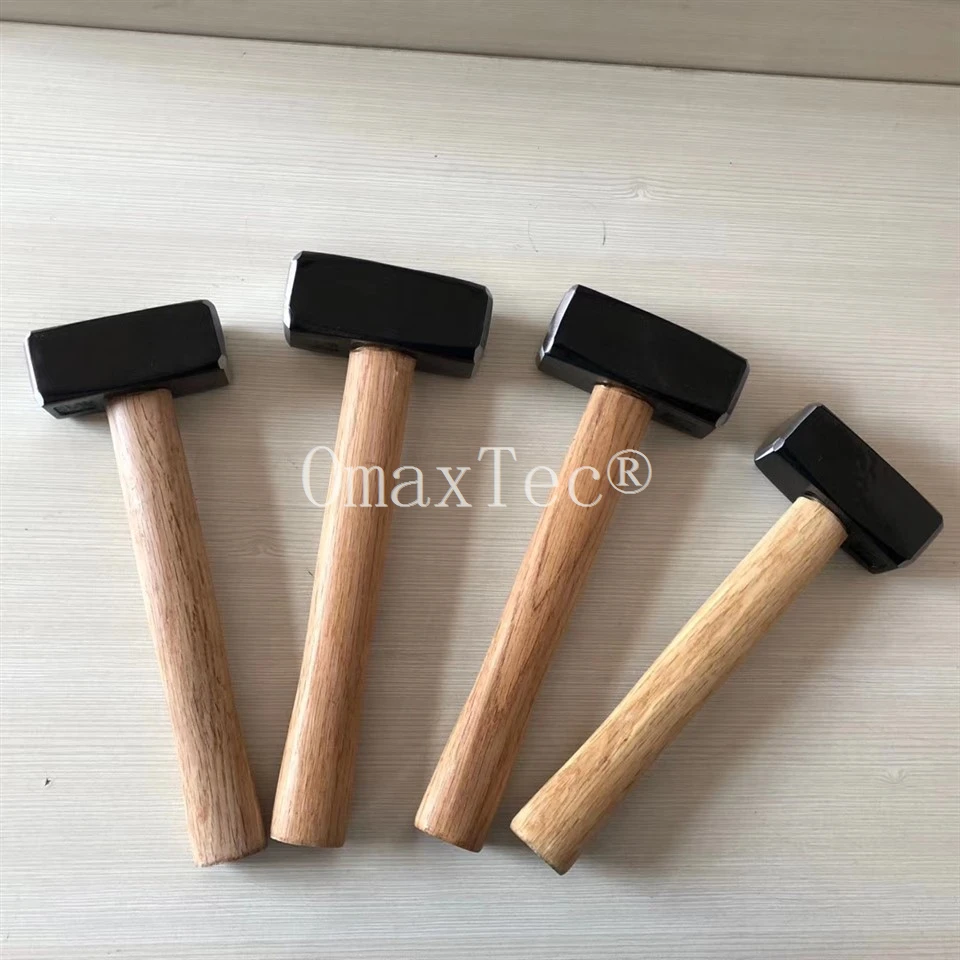

So, how do you choose the right weight of sledge hammer for your needs? Here are a few tips to help you make an informed decision:
- Consider your own strength and physical ability. If you're new to using a sledge hammer, start with a lighter weight and work your way up as you build strength and confidence.
- Think about the type of task you're performing. If you're breaking up concrete or demolishing a structure, a heavier hammer might be necessary. If you're driving stakes or performing other lighter tasks, a lighter hammer will be more appropriate.
- Take into account the size and shape of the object you're striking. If you're working on a small, delicate object, a lighter hammer with a smaller head will be less likely to cause damage.
- Try out different weights before you buy. Many hardware stores allow you to test out tools before you make a purchase, so take advantage of this opportunity to see which weight feels most comfortable and effective for you.
Now, let's talk about some of the different weights of sledge hammers available and the types of tasks they're best suited for:
- 4-6 pounds: These are the lightest sledge hammers available and are best suited for light-duty tasks like driving small nails or stakes, or for use in tight spaces where a heavier hammer would be difficult to maneuver.
- 8-10 pounds: These are the most common weights of sledge hammers and are suitable for a wide range of tasks, including breaking up small pieces of concrete, driving medium-sized stakes, and performing general demolition work.
- 12-16 pounds: These are heavier sledge hammers and are best suited for heavy-duty tasks like breaking up large pieces of concrete, demolishing walls, and driving large stakes.
- 20 pounds or more: These are the heaviest sledge hammers available and are typically used in industrial settings for tasks that require a lot of force, like breaking up large rocks or demolishing buildings.
In addition to weight, there are a few other factors you should consider when choosing a sledge hammer. These include the type of handle, the material of the hammer head, and the overall quality of the tool.
The handle of a sledge hammer is an important consideration, as it can affect your comfort and control while using the tool. There are three main types of handles available: wood, fiberglass, and steel.
- Wood: Wood handles are the traditional choice for sledge hammers and are known for their natural feel and shock absorption. However, they can be prone to cracking or splitting if they're not properly maintained.
- Fiberglass: Fiberglass handles are lightweight, strong, and resistant to cracking and splitting. They also provide good shock absorption, making them a popular choice for many users.
- Steel: Steel handles are the strongest and most durable option, but they can be heavy and uncomfortable to use for extended periods of time. They also don't provide much shock absorption, which can make them more tiring to use.
The material of the hammer head is another important consideration. Sledge hammer heads are typically made from steel or titanium, each with its own advantages and disadvantages.
- Steel: Steel is the most common material used for sledge hammer heads and is known for its strength and durability. It's also relatively inexpensive, making it a popular choice for many users.
- Titanium: Titanium is a lightweight and strong material that's becoming increasingly popular for sledge hammer heads. It's more expensive than steel, but it offers better shock absorption and is less likely to chip or crack.
Finally, it's important to choose a sledge hammer that's of high quality and built to last. Look for a tool that's made from durable materials, has a comfortable handle, and is well-balanced. A high-quality sledge hammer will not only perform better but will also last longer, saving you money in the long run.
In conclusion, the weight of a sledge hammer plays a crucial role in its performance, but it's not the only factor you need to consider. When choosing a sledge hammer, you should take into account your own strength and physical ability, the type of task you're performing, the size and shape of the object you're striking, and the overall quality of the tool. By following these tips, you'll be able to choose the right sledge hammer for your needs and get the job done safely and efficiently.
If you're in the market for a new sledge hammer or any other hand tools, be sure to check out our selection of Heavy Duty Double Ended Truck Wrench, Stoning Hammer, and TIN CUTTER TIN SNIPS. We offer a wide range of high-quality tools at competitive prices, and our knowledgeable staff is always available to help you find the right tool for your needs.
If you have any questions or would like to discuss your specific requirements, feel free to reach out to us. We're here to help you make the best choice for your project and ensure you get the most out of your tools.
References:
- "The Complete Guide to Sledge Hammers." Home Depot.
- "How to Choose the Right Sledge Hammer." Lowe's.
- "Sledge Hammer Buying Guide." Harbor Freight Tools.


