


How do you measure the size of a water pump plier?
As a supplier of water pump pliers, I often get asked about how to accurately measure the size of these essential hand tools. Understanding the size of water pump pliers is crucial for both users and those in the procurement process, as it directly impacts the tool's functionality and suitability for specific tasks. In this blog post, I'll delve into the various aspects of measuring water pump pliers and provide some insights that can help you make informed decisions.
Understanding the Basics of Water Pump Pliers
Before we jump into the measurement details, let's briefly review what water pump pliers are. Water pump pliers, also known as groove-joint pliers, are versatile hand tools commonly used for gripping, turning, and holding objects of various shapes and sizes. They feature adjustable jaws that can be set to different widths, allowing for a wide range of applications in plumbing, automotive repair, and general maintenance work.

Measuring the Overall Length
The most straightforward way to measure a water pump plier is by its overall length. This measurement is taken from the tip of the jaws to the end of the handles. Overall length is an important factor as it determines the reach and leverage of the pliers. Longer pliers provide more leverage, which can be useful when dealing with stubborn nuts or bolts. To measure the overall length, simply use a ruler or a measuring tape and place it along the centerline of the pliers from the tip of the jaws to the end of the handles.
Measuring the Jaw Capacity
The jaw capacity refers to the maximum width that the jaws of the water pump pliers can open. This measurement is crucial as it determines the size of the objects that the pliers can grip. To measure the jaw capacity, open the jaws of the pliers to their maximum width and then use a ruler or caliper to measure the distance between the inner faces of the jaws. Make sure to measure at the widest point of the jaws. Different applications may require different jaw capacities. For example, in plumbing work, you may need pliers with a larger jaw capacity to grip pipes of various diameters.
Measuring the Handle Length
The handle length is another important measurement. It affects the comfort and ease of use of the water pump pliers. Longer handles can provide more leverage, but they may also be more cumbersome to handle in tight spaces. To measure the handle length, measure from the point where the handle starts to curve away from the jaws to the end of the handle. A comfortable handle length can reduce fatigue during extended use.
Measuring the Jaw Thickness
Jaw thickness is a less commonly considered but still important measurement. Thicker jaws are generally more durable and can withstand greater forces without bending or deforming. To measure the jaw thickness, use a caliper to measure the thickness of the jaws at their thickest point. Thicker jaws are especially beneficial when dealing with heavy-duty applications.
Considering the Material and Build Quality
In addition to the physical measurements, it's also important to consider the material and build quality of the water pump pliers. High-quality pliers are typically made from forged steel, which provides strength and durability. The finish of the pliers can also affect their performance and longevity. A good finish can prevent rust and corrosion, ensuring that the pliers last for a long time.
Related Hand Tools
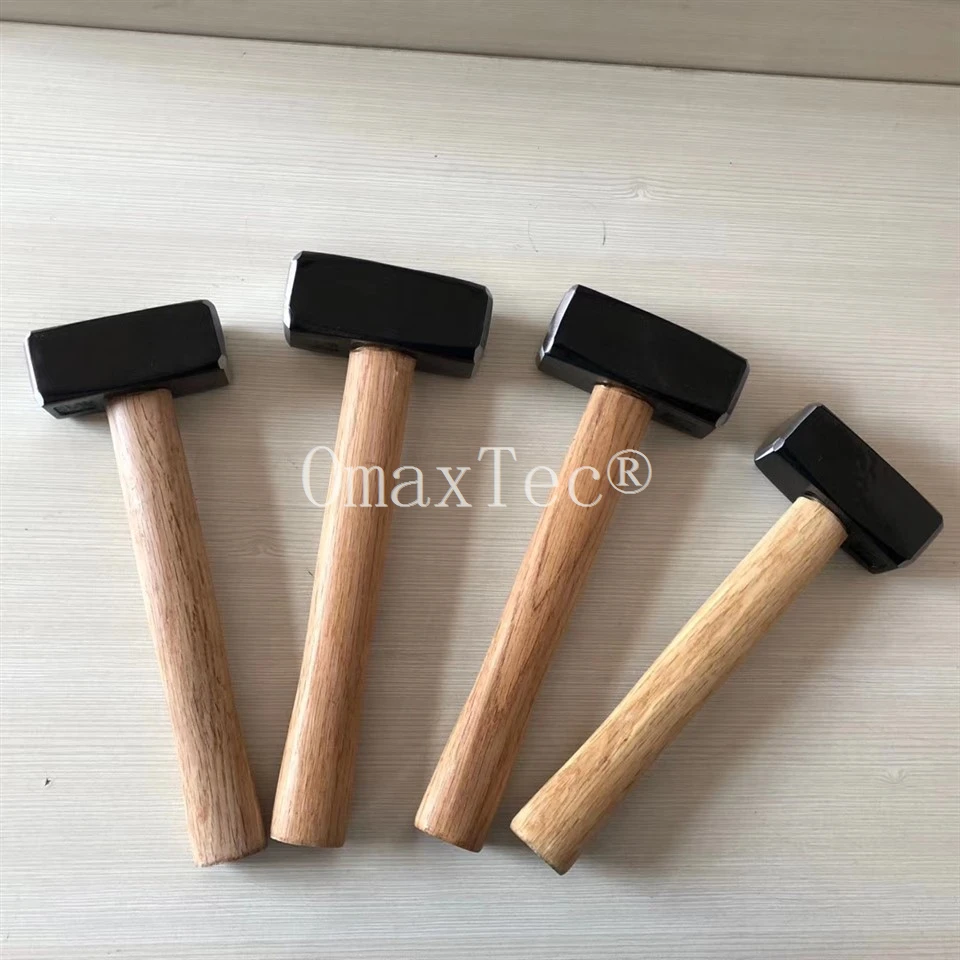
If you're in the market for hand tools, you might also be interested in other products we offer. For example, our CORNER CLAMP MITER VICE is a great tool for woodworking projects, providing a secure grip for precise miter cuts. Our Heavy Duty Double Ended Truck Wrench is designed for heavy-duty automotive and industrial applications, offering reliable performance. And our Stoning Hammer is perfect for stonemasons and construction workers, with a well-balanced design for efficient use.
Importance of Accurate Sizing in Procurement
For businesses and individuals involved in procurement, accurate sizing of water pump pliers is essential. Using the wrong size of pliers can lead to inefficiency, damage to the tools or the workpieces, and even safety hazards. By understanding how to measure the size of water pump pliers, you can ensure that you're purchasing the right tools for the job. This can save time and money in the long run.
Conclusion
Measuring the size of water pump pliers involves considering multiple factors, including overall length, jaw capacity, handle length, and jaw thickness. Each measurement plays a crucial role in determining the functionality and suitability of the pliers for different applications. As a water pump plier supplier, I'm committed to providing high-quality pliers that meet the diverse needs of our customers. If you're interested in purchasing water pump pliers or have any questions about sizing or other aspects of our products, please don't hesitate to contact us for procurement and further discussions.
References
- "Hand Tools: A Comprehensive Guide" by John Smith
- "The Art of Tool Selection" by Emily Davis


