


Maintaining hand tools properly is not only crucial for their longevity but also for ensuring optimal performance. As a hand tools supplier, I've witnessed firsthand the difference proper maintenance can make. In this blog, I'll share some essential tips on how to maintain various hand tools to keep them in top - notch condition.
General Maintenance Principles
Before diving into specific tools, there are some general principles that apply to most hand tools. First and foremost, cleanliness is key. After each use, clean your tools thoroughly to remove dirt, debris, and any other contaminants. A simple wipe - down with a clean, dry cloth can often do the trick. For more stubborn dirt, you can use a mild detergent and water, but make sure to dry the tools completely to prevent rust.
Secondly, proper storage is essential. Store your hand tools in a dry, cool place. Humidity can cause rust and corrosion, so avoid leaving tools in damp areas like basements or garages without proper ventilation. You can use toolboxes, cabinets, or wall - mounted racks to keep your tools organized and protected.
Maintenance of Stoning Hammers
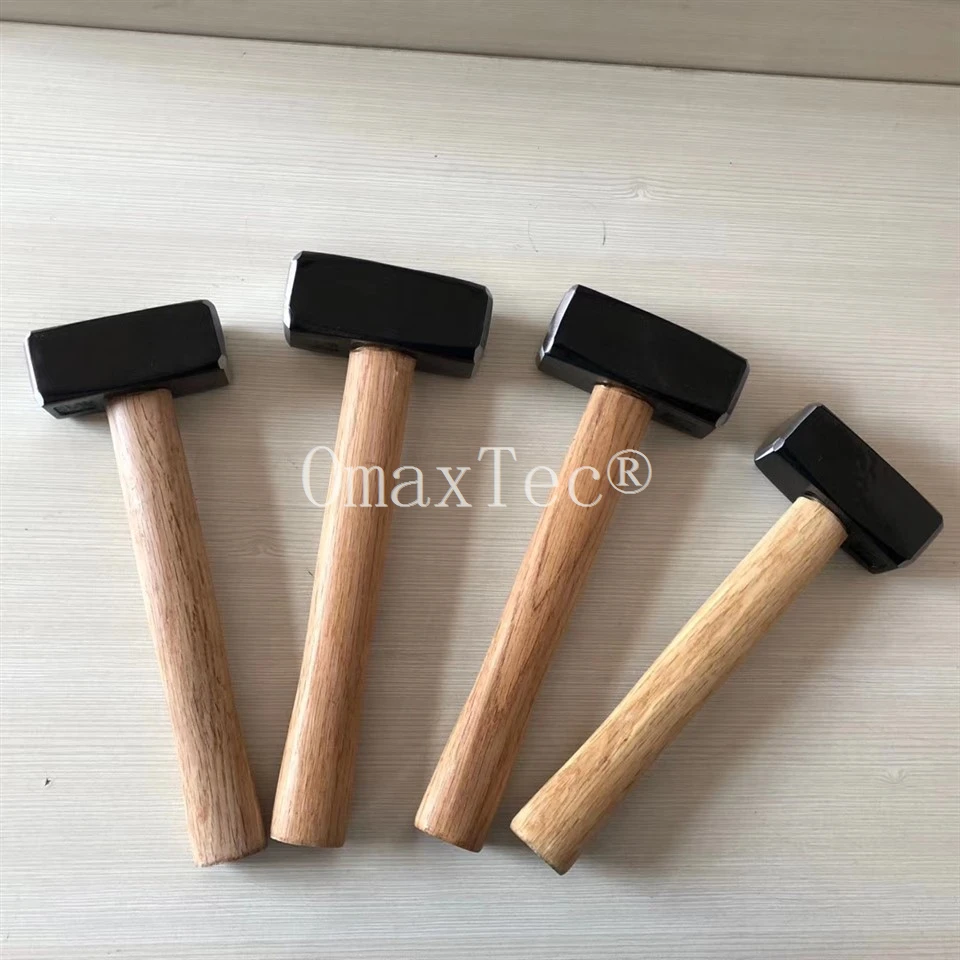
Stoning hammers are versatile tools used in various construction and masonry tasks. To maintain a Stoning Hammer, start by checking the handle regularly. The handle should be firmly attached to the head. If you notice any looseness, you can use a wedge to tighten it. Over time, the handle may wear out or crack. In such cases, it's best to replace the handle to prevent accidents.
The head of the stoning hammer can get chipped or dulled with use. To sharpen the head, you can use a file or a grinder. However, be careful not to over - heat the head during the sharpening process, as this can affect its hardness. After sharpening, clean the head to remove any metal shavings and apply a thin coat of oil to prevent rust.
Care for G Clamps or C Clamps
G CLAMP OR C CLAMP are widely used for holding workpieces in place. The key to maintaining these clamps is to keep the screw mechanism clean and lubricated. After each use, wipe the screw and the jaws with a cloth to remove any dirt or debris. You can use a small brush to clean hard - to - reach areas.
Apply a light coat of lubricant, such as machine oil or silicone spray, to the screw. This will ensure smooth operation and prevent the screw from seizing up. Check the jaws regularly for signs of wear. If the jaws are damaged or worn, they may not hold the workpiece securely. In such cases, you may need to replace the jaws or the entire clamp.

Maintaining Allen Keys Hex Keys
Allen Keys Hex Keys are small but essential tools for tightening and loosening hexagonal - headed screws. These keys can easily get lost or damaged if not properly maintained. Keep your Allen keys in a dedicated case or holder to prevent them from getting mixed up with other tools.
Inspect the tips of the Allen keys regularly. The tips should be clean and free of any damage. If the tips are worn or rounded, they may not fit properly into the screw heads, which can lead to stripped screws. You can use a file to reshape the tips if they are slightly damaged, but if the damage is severe, it's best to replace the key.
Special Maintenance for Cutting Tools
Cutting tools, such as saws, knives, and shears, require special attention. After each use, clean the blades to remove any sawdust, resin, or other debris. You can use a brush or a cloth to clean the blades. For more stubborn residue, you can soak the blades in a solvent, but make sure to dry them thoroughly afterward.
Sharpen the blades regularly to maintain their cutting performance. The frequency of sharpening depends on how often you use the tools. You can use a sharpening stone, a file, or a sharpening machine, depending on the type of blade. When sharpening, follow the correct angle for the blade to ensure a sharp edge.
After sharpening, apply a thin coat of oil to the blades to prevent rust. You can also use a blade guard to protect the blades when they are not in use.
Maintenance of Measuring Tools
Measuring tools, like rulers, calipers, and micrometers, need to be accurate to be useful. Keep these tools clean and free of dirt and debris. Wipe them down with a soft cloth after each use.
Check the accuracy of measuring tools regularly. You can do this by comparing the measurements with a known standard. If you notice any deviation, you may need to calibrate the tool. Some measuring tools can be calibrated at home, while others may require professional calibration.
Store measuring tools in a protective case to prevent them from getting damaged. Avoid dropping or mishandling these tools, as this can affect their accuracy.
Rust Prevention
Rust is one of the biggest enemies of hand tools. To prevent rust, keep your tools dry at all times. If you work in a humid environment, you can use a dehumidifier in your tool storage area.
Apply a rust - preventive coating to your tools. There are various products available in the market, such as rust - inhibiting sprays and oils. Before applying the coating, make sure the tools are clean and dry.
For tools that are not in use for an extended period, you can wrap them in a rust - preventive paper or place them in a sealed container with a desiccant.
Regular Inspections
Regular inspections are an important part of tool maintenance. Set aside some time every few weeks to inspect your hand tools. Check for any signs of wear, damage, or looseness. Look for cracks in handles, dull blades, or malfunctioning mechanisms.
If you notice any problems, address them immediately. Minor issues can often be fixed easily, but if left unattended, they can lead to more significant problems and even render the tools unusable.
Training and Education
Proper tool maintenance also involves training and education. If you have employees or colleagues who use hand tools, make sure they are trained on how to maintain the tools properly. Provide them with guidelines and resources on tool maintenance.
Encourage a culture of tool care in your workplace. When everyone understands the importance of maintaining hand tools, it becomes easier to keep the tools in good condition.
Conclusion
Maintaining hand tools properly is a skill that can save you time and money in the long run. By following the tips outlined in this blog, you can ensure that your hand tools last longer and perform better. As a hand tools supplier, I'm committed to providing high - quality tools and helping our customers maintain them.
If you're interested in purchasing hand tools or have any questions about tool maintenance, feel free to reach out to us. We're here to assist you with all your hand tool needs and can provide further advice on how to keep your tools in optimal condition.
References
- "Hand Tools: Selection, Use, and Maintenance" by Various Authors
- Manufacturer's manuals for different hand tools


