


Hey there, fellow DIY enthusiasts and hand tool lovers! As a hand tools supplier, I get asked a ton of questions about different tools, and one common query I often hear is, "What's the difference between a hacksaw and a coping saw?" Well, you're in the right place because I'm gonna break it down for you in this blog post.
Let's start with the hacksaw. Picture this: you've got a piece of metal pipe that you need to cut down to size, or maybe you're working on a project that involves cutting through plastic or even some types of wood. That's where a hacksaw comes in handy. A hacksaw is a versatile hand tool that's designed primarily for cutting through hard materials. It typically has a thin, straight blade with fine teeth that are set at an angle. The blade is held in a frame, which gives you the leverage and control you need to make precise cuts.
One of the key features of a hacksaw is its adjustable frame. This allows you to change the length of the blade, depending on the thickness of the material you're cutting. For example, if you're cutting through a thick piece of metal, you might want to use a longer blade to get a smoother cut. On the other hand, if you're working on a smaller project, a shorter blade might be more suitable.
Another advantage of a hacksaw is its portability. It's a relatively small and lightweight tool that you can easily carry around with you to different job sites. Whether you're a professional contractor or a weekend warrior, having a hacksaw in your toolbox is always a good idea.
Now, let's talk about the coping saw. Unlike a hacksaw, a coping saw is designed for more delicate and intricate cutting tasks. It's commonly used in woodworking projects, such as cutting moldings, trim, or making detailed cuts in small pieces of wood. The coping saw has a thin, flexible blade that's attached to a U-shaped frame. The blade is held under tension, which allows it to make tight, curved cuts with ease.

One of the main differences between a coping saw and a hacksaw is the type of blade they use. A coping saw blade has much finer teeth than a hacksaw blade, which makes it ideal for cutting through softer materials like wood. The teeth are also set in a different pattern, which helps to prevent the blade from binding or getting stuck in the material.
Another advantage of a coping saw is its maneuverability. Because the blade is flexible, you can easily bend it to make curved cuts or follow the contours of a shape. This makes it a great tool for creating custom designs or fitting pieces together.
So, when should you use a hacksaw and when should you use a coping saw? Well, it really depends on the type of project you're working on. If you're cutting through hard materials like metal or plastic, a hacksaw is the way to go. It's powerful, versatile, and can handle thick materials with ease. On the other hand, if you're working on a woodworking project that requires precise, intricate cuts, a coping saw is your best bet. It's designed for delicate work and can help you achieve a professional-looking finish.
In addition to these two saws, there are also other hand tools that you might find useful in your projects. For example, the CORNER CLAMP MITER VICE is a great tool for holding pieces of wood at a precise angle while you're cutting or joining them. It's especially useful for making miter joints, which are commonly used in picture frames, cabinets, and other woodworking projects.
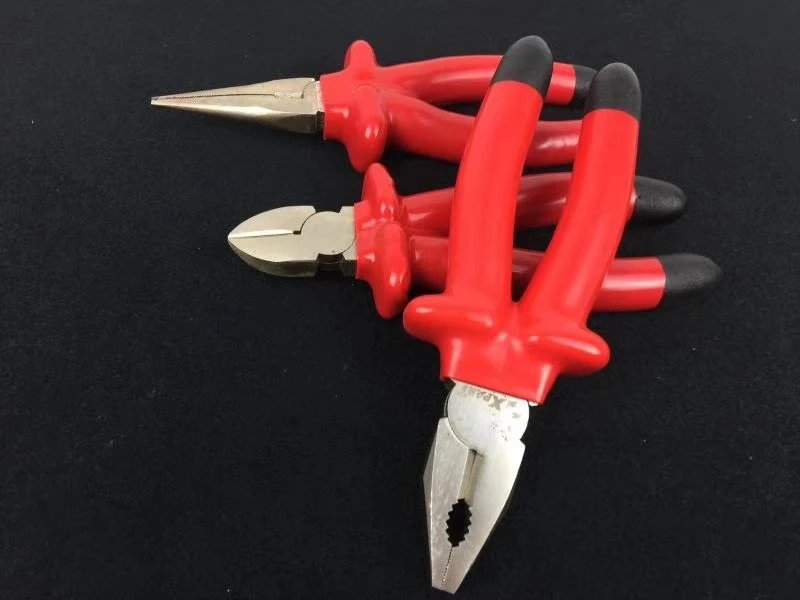
Another useful tool is the Combination / Lineman's Plier. This tool is a combination of a plier and a wire cutter, which makes it ideal for a variety of tasks, such as cutting, bending, and gripping wires. It's a must-have tool for electricians, DIYers, and anyone who works with wires on a regular basis.
And of course, no toolbox is complete without a Claw Hammer. This classic tool is used for driving nails into wood or other materials, as well as pulling them out when you need to make adjustments. It's a simple yet essential tool that every homeowner and DIYer should have.
In conclusion, both hacksaws and coping saws are valuable tools that have their own unique features and uses. Whether you're a professional contractor or a weekend DIYer, having a good understanding of these tools can help you choose the right one for the job and achieve the best results. So, the next time you're working on a project, take a moment to consider which tool is the most appropriate for the task at hand.
If you're interested in purchasing any of these hand tools or have any questions about our products, please don't hesitate to reach out to us. We're here to help you find the right tools for your needs and provide you with the best possible service. Let's get to work and make your projects a success!
References
- "Hand Tools: A Comprehensive Guide." DIY Magazine, Vol. 12, Issue 3, 2023.
- "The Essential Guide to Woodworking Tools." Woodworking Today, Vol. 8, Issue 2, 2022.
- "Toolbox Basics: Choosing the Right Hand Tools." Home Improvement Journal, Vol. 15, Issue 4, 2021.


