


Water pump pliers, also known as tongue-and-groove pliers, are a staple in many toolboxes, and their suitability for plumbing work is a topic of great interest. As a supplier of water pump pliers, I've had the opportunity to see firsthand how these versatile tools perform in various plumbing scenarios. In this blog, we'll delve into the characteristics of water pump pliers, their advantages and limitations in plumbing, and compare them with other tools commonly used in the trade.
Characteristics of Water Pump Pliers
Water pump pliers are characterized by their adjustable jaws, which can be set to different widths using a tongue-and-groove mechanism. This adjustability allows them to grip objects of various sizes, from small pipes to large nuts and bolts. The jaws are typically serrated, providing a secure grip on the workpiece, and the handles are designed to provide leverage, making it easier to apply force.
One of the key features of water pump pliers is their ability to provide a strong, non-slip grip. This is essential in plumbing work, where pipes and fittings often need to be tightened or loosened. The serrated jaws dig into the surface of the workpiece, preventing it from slipping out of the pliers during use. Additionally, the adjustable jaws allow the pliers to be used on a wide range of pipe sizes, making them a versatile tool for any plumbing job.
Advantages of Water Pump Pliers in Plumbing Work
There are several advantages to using water pump pliers in plumbing work. Firstly, their adjustability makes them suitable for a variety of tasks. Whether you're working on a small residential plumbing project or a large commercial installation, water pump pliers can be adjusted to fit the size of the pipe or fitting you're working with. This eliminates the need for multiple pairs of pliers, saving you time and money.
Secondly, water pump pliers provide a strong grip, which is essential for tightening and loosening pipes and fittings. In plumbing, a loose connection can lead to leaks, which can cause significant damage to a property. By using water pump pliers to ensure a tight connection, you can prevent leaks and ensure the long-term reliability of your plumbing system.
Another advantage of water pump pliers is their durability. Made from high-quality materials, such as forged steel, water pump pliers are designed to withstand the rigors of daily use in a plumbing environment. They can handle high levels of torque without bending or breaking, making them a reliable tool for any plumbing job.
Limitations of Water Pump Pliers in Plumbing Work
While water pump pliers are a versatile and useful tool in plumbing work, they do have some limitations. One of the main limitations is their potential to damage the surface of the workpiece. The serrated jaws of water pump pliers can leave marks on the surface of pipes and fittings, especially if they are used on soft materials, such as copper or plastic. This can be a cosmetic issue, but it can also weaken the pipe or fitting over time, increasing the risk of leaks.
Another limitation of water pump pliers is their size. In some cases, the large size of water pump pliers can make them difficult to use in tight spaces. For example, if you're working on a plumbing fixture in a small bathroom or under a sink, the pliers may not fit into the space, making it impossible to use them to tighten or loosen a pipe or fitting.
Finally, water pump pliers are not suitable for all types of plumbing work. For example, they are not designed for precision work, such as soldering or brazing. In these cases, you may need to use more specialized tools, such as Long Nose Bent Nose Plier, which are designed to provide a more precise grip and control.
Comparison with Other Plumbing Tools
When it comes to plumbing work, there are several other tools that are commonly used in addition to water pump pliers. One of the most popular alternatives is pipe wrenches. Pipe wrenches are similar to water pump pliers in that they are used to tighten and loosen pipes and fittings. However, they have a different design, with a fixed jaw and an adjustable jaw that is designed to grip the pipe from the side.
Pipe wrenches are generally more suitable for larger pipes and fittings, as they provide a greater amount of torque than water pump pliers. They are also less likely to damage the surface of the pipe, as the jaws are designed to grip the pipe without leaving marks. However, pipe wrenches are not as adjustable as water pump pliers, and they can be more difficult to use in tight spaces.
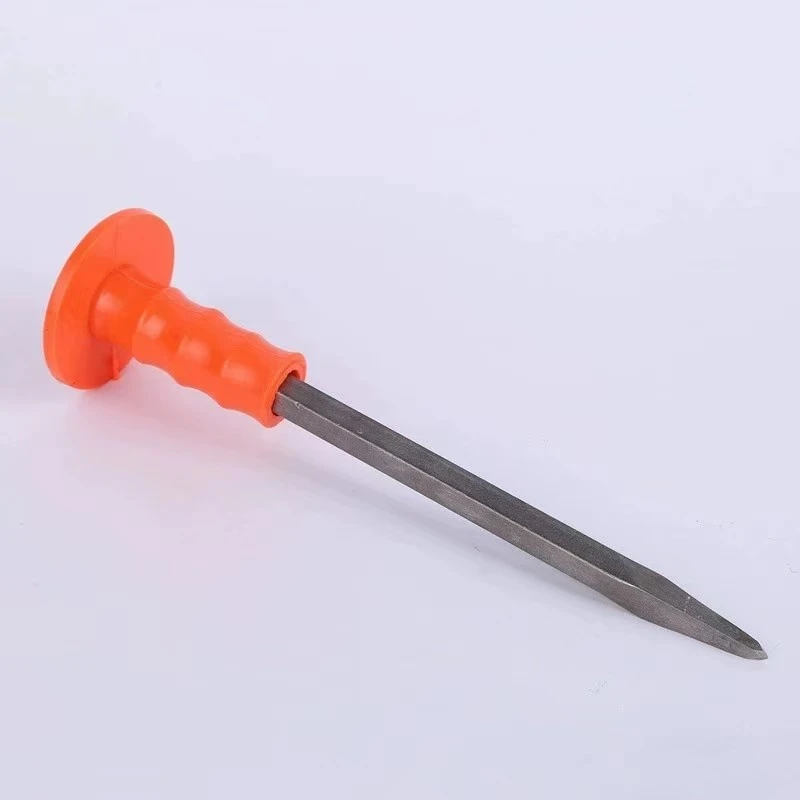
Another alternative to water pump pliers is Masonry Cold Chisel. While not typically used for plumbing work, masonry cold chisels can be useful in certain situations, such as when you need to break through a wall or floor to access a plumbing pipe. However, they are not designed for gripping or tightening pipes and fittings, and they are not a substitute for water pump pliers or other plumbing tools.
Finally, G CLAMP OR C CLAMP can also be used in plumbing work. These clamps are designed to hold objects in place, and they can be useful for securing pipes or fittings during installation or repair. However, they are not designed for tightening or loosening pipes and fittings, and they are not a substitute for water pump pliers or other plumbing tools.
Conclusion
In conclusion, water pump pliers are a versatile and useful tool in plumbing work. Their adjustability, strong grip, and durability make them suitable for a variety of tasks, from tightening and loosening pipes and fittings to gripping and holding objects. However, they do have some limitations, such as their potential to damage the surface of the workpiece and their size, which can make them difficult to use in tight spaces.
When choosing a tool for plumbing work, it's important to consider the specific requirements of the job. In some cases, water pump pliers may be the best choice, while in other cases, you may need to use a different tool, such as a pipe wrench or a long nose bent nose plier. By understanding the advantages and limitations of each tool, you can make an informed decision and choose the tool that is best suited for the job.
If you're in the market for high-quality water pump pliers or other plumbing tools, I encourage you to contact us to discuss your needs. As a leading supplier of water pump pliers, we offer a wide range of products to meet the needs of any plumbing project. Our team of experts can help you choose the right tool for the job and provide you with the support and advice you need to ensure a successful plumbing installation or repair.

References
- "Plumbing Tools: A Comprehensive Guide." Home Repair Tutor.
- "Water Pump Pliers: Everything You Need to Know." ToolGuyd.
- "The Best Plumbing Tools for Every Job." Bob Vila.


