


Hey there, fellow model makers and DIY enthusiasts! Today, I'm here to dive into a question that's been buzzing around in the creative community: Can hand tools be used for model making? As a hand tools supplier, I've seen firsthand the magic that can happen when you pair the right tools with your creative vision. So, let's roll up our sleeves and explore this topic together.
First off, let's talk about why hand tools are such a big deal in model making. For starters, they offer a level of control that's hard to beat. When you're working on a small-scale model, every little detail matters. A hand tool allows you to make precise cuts, carve intricate shapes, and assemble parts with care. Unlike power tools, which can sometimes be a bit too powerful and cause damage, hand tools give you the finesse you need to bring your model to life.
Another great thing about hand tools is their versatility. You don't need a huge workshop full of expensive equipment to get started. With just a few basic hand tools, you can tackle a wide range of model-making projects. Whether you're building a model airplane, a ship in a bottle, or a miniature cityscape, there's a hand tool out there that can help you get the job done.
Now, let's take a look at some specific hand tools that are perfect for model making. One of my personal favorites is the Claw Hammer. This classic tool is not only great for driving nails but also for removing them. In model making, you might use a claw hammer to attach small wooden parts or to make adjustments to your model. It's a must-have in any model maker's toolbox.
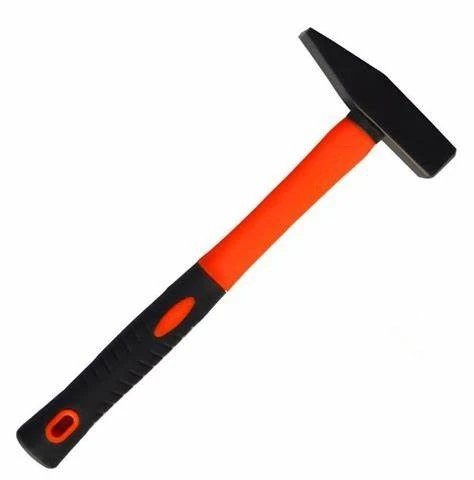
Another essential tool is the Machinist Hammer. This type of hammer is designed for precision work. It has a smaller head and a lighter weight, making it ideal for delicate tasks like shaping metal parts or tapping pieces into place. If you're working on a model that involves metal, a machinist hammer is definitely worth investing in.
For cutting and shaping materials, a Masonry Cold Chisel can be a game-changer. This tool is designed to cut through hard materials like stone, brick, and metal. In model making, you might use a cold chisel to create rough edges or to cut out small pieces of material. It's a versatile tool that can add a lot of character to your models.
Of course, these are just a few examples of the many hand tools that can be used for model making. There are also screwdrivers, pliers, files, and saws, just to name a few. Each tool has its own unique purpose and can be used in different ways to create amazing models.
One of the things I love about hand tools is that they allow you to connect with your work on a deeper level. When you're using a hand tool, you're using your own strength and skill to create something. It's a very tactile and rewarding experience. You can feel the texture of the materials, the resistance of the tool, and the satisfaction of seeing your model come together.
In addition to the creative benefits, using hand tools for model making can also be a cost-effective option. Power tools can be expensive, especially if you're just starting out. Hand tools, on the other hand, are generally more affordable and can last a long time if you take care of them. You can build up your tool collection over time as you gain more experience and tackle more complex projects.
Now, I know what you might be thinking. "But what about the limitations of hand tools? Can they really compete with power tools?" Well, it's true that hand tools have their limitations. They can be slower and more labor-intensive than power tools, especially when you're working on large or complex projects. However, for many model makers, the benefits of using hand tools far outweigh the drawbacks.
For one thing, hand tools allow you to work in smaller spaces. You don't need a big workshop or a lot of ventilation to use hand tools. You can work on your models at your kitchen table, in your bedroom, or even outside on a nice day. This makes hand tools a great option for hobbyists who don't have a lot of space or resources.
Another advantage of hand tools is that they're quieter and less disruptive. If you live in an apartment or have neighbors close by, using power tools can be a hassle. Hand tools, on the other hand, make very little noise, so you can work on your models without disturbing anyone.
So, to answer the question, "Can hand tools be used for model making?" The answer is a resounding yes! Hand tools are a versatile, cost-effective, and rewarding option for model makers of all skill levels. Whether you're a beginner just starting out or an experienced pro looking for a new challenge, there's a hand tool out there that can help you bring your creative vision to life.
If you're interested in learning more about hand tools for model making or if you're looking to purchase some high-quality hand tools for your next project, I'd love to hear from you. As a hand tools supplier, I have a wide range of tools to choose from, and I'm always happy to help you find the right tools for your needs. Just reach out, and we can start a conversation about your model-making goals.
In conclusion, hand tools are an essential part of the model-making process. They offer a level of control, versatility, and creativity that's hard to match. So, the next time you're working on a model, don't be afraid to reach for a hand tool. You might be surprised at what you can accomplish.

References
- General knowledge of hand tools and model making
So, what are you waiting for? Start exploring the world of hand tools for model making today, and let your creativity soar!


